
There is a particular kind of heartbreak that comes with an unexplained infertility diagnosis. You have done every test, followed every instruction, and the answer you get is essentially: we do not know. It does not mean nothing is wrong — it means the tools we currently have cannot find it. For many women, this is where the real search begins, and where nutrition and targeted supplementation often enter the picture.
Unexplained infertility is diagnosed in roughly 10 to 30 percent of couples who seek evaluation, according to data published in Fertility and Sterility. It does not mean conception is impossible — it means subtle, systemic factors may be at play. Oxidative stress, mitochondrial dysfunction, micronutrient deficiencies, subclinical hormonal imbalances, and poor egg quality are all candidates that standard fertility workups can miss. Each of these areas can be meaningfully supported through nutrition and supplementation.
In this article, we walk through the most evidence-backed fertility supplements for unexplained infertility, covering antioxidants, coenzyme support, hormone-balancing herbs, and prenatal foundations. We also offer practical guidance on how to use these nutrients together safely and effectively, with links to additional reading for each topic.
Antioxidants and Mitochondrial Support for Egg Quality
Oxidative stress is one of the most well-documented contributors to poor egg quality, and it is often invisible on standard testing. The egg, or oocyte, is one of the most metabolically demanding cells in the human body. It relies heavily on mitochondria — the cellular energy generators — to complete the process of meiosis and support fertilization. When mitochondrial function declines, egg quality follows. Antioxidants work by neutralizing the free radicals that damage mitochondria and cellular DNA.
Coenzyme Q10 (CoQ10) is the most extensively studied supplement in this context. A 2018 randomized controlled trial published in the Journal of Clinical Endocrinology and Metabolism found that CoQ10 supplementation improved ovarian response and embryo quality in women undergoing IVF. The standard dose used in research ranges from 200 to 600 mg per day of the ubiquinol form, which is more bioavailable than ubiquinone. For women over 35, higher doses are often used because mitochondrial function naturally declines with age. You can read more about this topic in our guide to how to improve egg quality after 35.
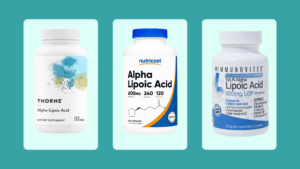
Alpha-lipoic acid, vitamin C, vitamin E, and N-acetyl cysteine (NAC) are additional antioxidants that work synergistically to reduce oxidative damage in reproductive tissue. NAC in particular has strong evidence in the context of PCOS and unexplained infertility due to its ability to replenish glutathione, the body’s master antioxidant. Our in-depth article on N-acetyl cysteine for PCOS and fertility explores this connection in detail.
- Take CoQ10 (ubiquinol form, 200–600 mg) with a fat-containing meal for best absorption
- Combine vitamin C (500–1000 mg) and vitamin E (400 IU) as a basic antioxidant foundation
- Consider NAC (600 mg daily) if oxidative stress or PCOS is suspected
- Start antioxidant protocols at least 90 days before a conception attempt to allow the egg maturation cycle to benefit
- Avoid mega-dosing single antioxidants — a broad-spectrum approach is more effective and safer
For women with unexplained infertility, this 90-day antioxidant window aligns with the follicular development timeline. Eggs that are retrieved or ovulated in any given cycle began their maturation process roughly three months earlier. This means supplementation benefits are delayed but significant.
Folate, B Vitamins, and the Methylation Connection
Methylation is a biochemical process that underpins DNA synthesis, gene expression, and hormone metabolism. When it is disrupted — often by nutrient deficiencies or genetic variants like MTHFR — it can quietly impair fertility in ways that standard testing does not catch. Folate is the cornerstone nutrient of the methylation cycle, but it works in concert with vitamins B6, B12, and choline.
Many women trying to conceive are still taking synthetic folic acid rather than methylfolate. While folic acid is widely recommended for neural tube defect prevention, women with MTHFR gene variants cannot efficiently convert it to its active form. A 2020 review in Nutrients confirmed that methylfolate is more bioavailable and effective across all women, not just those with MTHFR. Our detailed comparison of folate vs folic acid when trying to conceive covers this distinction thoroughly.
Vitamin B6 (as pyridoxal-5-phosphate) supports progesterone synthesis and reduces hyperhomocysteinemia, a condition associated with implantation failure. Vitamin B12 (as methylcobalamin) is essential for cell division and endometrial development. Together, these B vitamins form a reproductive support network that extends well beyond neural tube protection.
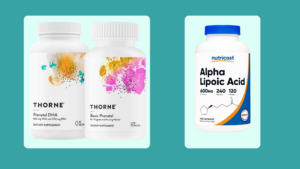
A high-quality prenatal multivitamin that includes active-form B vitamins is an excellent foundational choice for women with unexplained infertility. The Thorne Basic Prenatal with Folate and Choline is a well-regarded option that uses methylfolate, methylcobalamin, and choline — all in their most bioavailable forms. Similarly, the Ritual Essential for Women Prenatal Multivitamin offers a clean, science-backed formula designed specifically for preconception use.
- Choose methylfolate (400–800 mcg) over synthetic folic acid, especially if MTHFR is suspected
- Look for B12 as methylcobalamin, not cyanocobalamin, for superior absorption
- Ensure your prenatal includes at least 200–450 mg of choline, as most formulas fall short
- Add a separate B-complex if your prenatal does not cover full methylation cycle support
- Test homocysteine levels — elevated results point directly to methylation issues that supplementation can correct
Choline deserves special mention. Research published in FASEB Journal has linked choline status during preconception to improved placental function and fetal neurodevelopment. Yet surveys consistently show that fewer than 10 percent of women meet their daily choline requirements from diet alone.
Hormone-Balancing Herbs With Fertility Evidence
Several botanical medicines have a meaningful body of evidence in fertility support, particularly for women whose unexplained infertility may involve subtle hormone dysregulation. These include vitex agnus-castus (chasteberry), maca root, and ashwagandha. Each acts on a different part of the hormonal axis and may be relevant depending on the individual’s symptom pattern.
Vitex agnus-castus works primarily on the pituitary gland to normalize LH and FSH secretion and support progesterone levels in the luteal phase. A short luteal phase or low progesterone, even within the “normal” lab range, can prevent successful implantation. Our article on vitex for hormone balance and conception provides a thorough breakdown of the mechanisms and dosing. Research in Phytomedicine has shown that vitex supplementation for three to six months improves luteal phase length and spontaneous pregnancy rates in women with luteal phase deficiency.
Maca root (Lepidium meyenii) is an adaptogenic Peruvian plant that has been used to support libido, energy, and hormonal rhythm for centuries. Modern research suggests it works through glucosinolate compounds that act on the hypothalamic-pituitary axis rather than directly mimicking estrogen. This makes it a safer option than phytoestrogenic herbs for women with hormone-sensitive conditions. For more, see our article on maca root for fertility and libido.
Ashwagandha (Withania somnifera) addresses the cortisol-fertility connection that is often overlooked. Chronic stress suppresses GnRH pulses, disrupts ovulation timing, and reduces progesterone output. Ashwagandha has been shown in multiple randomized trials to lower cortisol by 20 to 30 percent and restore hormonal balance over eight to twelve weeks. Women with stress-related cycle irregularities may find this particularly relevant.
The Gaia Herbs Vitex Berry Hormone Balance for Women is a clean, single-herb option for those wanting to trial chasteberry. For those who prefer a combined hormone support approach, the Pink Stork Fertility Support Hormone Balance Supplement blends several fertility-relevant botanicals in a preconception-focused formula. Always consult your provider before combining herbal supplements with fertility medications.
Micronutrients Most Commonly Deficient in Unexplained Infertility
Beyond the headline supplements, a cluster of micronutrients is frequently deficient in women with unexplained infertility — and each deficiency can create a bottleneck in reproductive function. Vitamin D, zinc, magnesium, and iron are the most clinically relevant, and all are measurable through standard blood work.
Vitamin D is arguably the most impactful single nutrient deficiency in reproductive health. Receptors for vitamin D are found on ovarian granulosa cells, the endometrium, and the placenta. A 2019 meta-analysis in Human Reproduction Update found that vitamin D-sufficient women had significantly higher clinical pregnancy rates in both natural and assisted conception cycles. The target serum level for fertility optimization is 40 to 60 ng/mL — considerably higher than the minimum threshold used in general health guidelines.
Zinc is essential for folliculogenesis, oocyte maturation, and the prevention of chromosomal errors during cell division. Studies have shown that zinc deficiency impairs egg development at multiple stages and reduces the fertilization potential of mature oocytes. Our dedicated article on zinc’s role in female reproductive health is a valuable resource for understanding this connection more deeply.
Magnesium supports ovulation by regulating insulin sensitivity and reducing systemic inflammation — two pathways that are frequently disturbed in unexplained infertility. A deficiency in magnesium can cause subtle disruptions to the LH surge timing, which affects whether ovulation occurs at the optimal moment. Our article on magnesium for ovulation and cycle health explores the evidence in full.
Iron deficiency — even without frank anemia — has been linked to anovulatory cycles in research published in Obstetrics and Gynecology. Women with borderline ferritin levels (below 30 ng/mL) may not ovulate reliably, making iron repletion a quiet but impactful fertility intervention. Before supplementing iron, test both ferritin and serum iron to confirm true deficiency. A quality prenatal like the Nature Made Prenatal with Folic Acid and DHA includes gentle iron alongside a full micronutrient profile suitable for preconception use.
Frequently Asked Questions
Can supplements actually help with unexplained infertility?
Yes, particularly when deficiencies in key nutrients are contributing to subtle dysfunction. Studies support CoQ10, folate, vitamin D, and zinc as meaningful interventions. While supplements are not a guaranteed solution, they can correct hidden gaps that standard testing often misses.
How long should I take fertility supplements before expecting results?
Most research uses a minimum of three months, which aligns with the 90-day cycle of egg development. Antioxidants like CoQ10 and micronutrients like vitamin D require this window to exert meaningful effects on egg quality and hormonal rhythms.
Is it safe to take multiple fertility supplements at once?
A thoughtful, layered approach is generally safe, but more is not always better. Start with a high-quality prenatal multivitamin as a foundation, then add targeted supplements based on testing. Always consult a reproductive endocrinologist or integrative physician before stacking multiple products.
Should I take a prenatal vitamin even if I am not pregnant yet?
Yes — prenatal vitamins are designed for preconception use as much as pregnancy. They provide folate, iron, choline, and other nutrients that must be in optimal supply before and during early pregnancy, often before a woman knows she has conceived.
Does stress affect fertility and can supplements help?
Chronic stress suppresses the hormonal signals needed for ovulation and implantation. Adaptogenic supplements like ashwagandha have demonstrated the ability to lower cortisol and support hormonal balance. Addressing stress through both lifestyle and targeted supplementation is a valid and evidence-supported strategy.
A Word From Vitamins For Woman
Unexplained infertility is one of the most frustrating diagnoses a woman can receive, but it is not the end of the road. The evidence behind fertility supplements for unexplained infertility continues to grow, and targeted nutrition remains one of the most accessible and modifiable factors in your reproductive health picture. Work alongside your healthcare provider to test key micronutrient levels, choose high-quality supplements with active-form ingredients, and allow adequate time for these interventions to make a difference. You deserve answers — and in the meantime, you have meaningful options.
References
- Bentov Y, Casper RF. (2013). The aging oocyte — can mitochondrial function be improved? Fertility and Sterility. https://pubmed.ncbi.nlm.nih.gov/23557758/
- Showell MG, et al. (2020). Antioxidants for female subfertility. Cochrane Database of Systematic Reviews. https://pubmed.ncbi.nlm.nih.gov/32881040/
- Gaskins AJ, Chavarro JE. (2018). Diet and fertility: a review. American Journal of Obstetrics and Gynecology. https://pubmed.ncbi.nlm.nih.gov/28844822/
- Lerchbaum E, Obermayer-Pietsch B. (2012). Vitamin D and fertility: a systematic review. European Journal of Endocrinology. https://pubmed.ncbi.nlm.nih.gov/22275473/
- Steegers-Theunissen RP, et al. (2013). Periconceptional methylation dynamics of the IGF2/H19 imprinting control region. Human Reproduction. https://pubmed.ncbi.nlm.nih.gov/23223399/