You’ve optimized your diet, started taking prenatal vitamins, and researched every fertility supplement you can find — and yet something still feels missing. For many women on the path to conception, the gap isn’t always the obvious nutrients. Sometimes it’s the trace minerals hiding in plain sight, the ones rarely discussed in fertility forums or doctor’s offices, that quietly shape the reproductive landscape beneath the surface.
Manganese is one of those minerals. While it doesn’t command the same attention as folate or iron, emerging research points to its role in ovarian function, antioxidant defense, and hormonal signaling. Low manganese status has been associated with irregular cycles, poor egg quality, and even difficulties sustaining early pregnancy. A combination of soil depletion, processed food diets, and high calcium intake — which competes with manganese absorption — means many women may be quietly deficient without knowing it.
In this article, you’ll learn exactly what manganese does for female fertility, how to recognize signs of insufficiency, which foods and supplements can help, and how manganese fits into a broader preconception nutrition strategy. If you’ve been searching for a missing piece of your fertility puzzle, this may be it.
What Manganese Does for Female Reproductive Health
Manganese is an essential trace mineral that serves as a cofactor for dozens of enzymes in the human body. In the context of reproductive health, its most critical role is as a component of manganese superoxide dismutase (MnSOD), a powerful antioxidant enzyme housed inside the mitochondria of every cell — including your eggs. Mitochondrial health is now understood to be central to egg quality, fertilization potential, and early embryo development. Without adequate manganese, MnSOD activity declines, leaving egg cells exposed to oxidative stress that can damage DNA, impair cell division, and reduce the likelihood of successful conception.
Beyond antioxidant protection, manganese plays a direct role in hormonal metabolism. It supports the function of enzymes involved in estrogen and progesterone synthesis, and research published in Nutrients has linked manganese status to luteal phase adequacy. A well-functioning luteal phase — the period between ovulation and menstruation — is essential for implantation and early pregnancy support. Women with luteal phase defects may benefit from evaluating not just progesterone levels, but also the trace mineral environment that supports progesterone production.
Manganese also contributes to thyroid hormone activation, cartilage synthesis, and blood sugar regulation — all of which have downstream effects on fertility. Poor thyroid function and insulin resistance are two of the most common underlying drivers of ovulatory dysfunction, and both are influenced by manganese status. For women navigating PCOS or insulin-related fertility challenges, this connection is especially relevant.
- Support mitochondrial antioxidant defense by ensuring adequate manganese to sustain MnSOD activity in egg cells
- Pair manganese-rich foods with vitamin C to enhance absorption and reduce oxidative burden simultaneously
- Assess thyroid function alongside trace mineral status, as manganese supports T4 to T3 conversion pathways
- Limit high-dose calcium supplements taken alongside meals, as calcium competes with manganese at absorption sites in the gut
- Include whole grains, legumes, and leafy greens daily as they are among the richest dietary sources of manganese
Signs Your Manganese Levels May Be Affecting Fertility
Unlike iron or vitamin D, manganese deficiency is rarely tested in routine fertility workups, which means women can go years without knowing their levels are suboptimal. The signs of low manganese are often nonspecific — fatigue, irregular periods, joint discomfort, and mood instability — which are easily attributed to other causes. However, when these symptoms cluster alongside fertility difficulties, it’s worth investigating the trace mineral picture more closely.
Research has found that women with recurrent pregnancy loss tend to have lower serum manganese levels than women with healthy ongoing pregnancies. This association may be partly explained by manganese’s role in reducing oxidative stress during the critical peri-implantation window. Oxidative damage to the endometrial lining can impair receptivity, even when the embryo itself is genetically healthy. For women exploring supplements that support implantation, adding manganese to the conversation is worthwhile.
Blood sugar dysregulation is another red flag. Manganese is a cofactor for glucokinase, an enzyme involved in insulin secretion. Women with frequent blood sugar swings, cravings, or a PCOS diagnosis may have compromised manganese utilization, creating a cycle where poor glycemic control worsens manganese status, and low manganese worsens insulin sensitivity. Additionally, chronic stress depletes manganese through urinary excretion, meaning high-cortisol lifestyles can quietly drain this mineral over time.
- Track menstrual cycle irregularities alongside dietary intake; short or absent luteal phases may signal trace mineral gaps
- Evaluate blood sugar patterns — frequent cravings and energy crashes may indicate both insulin resistance and manganese insufficiency
- Consider a comprehensive micronutrient panel that includes manganese, zinc, selenium, and copper for a full trace mineral picture
- Monitor stress levels actively, as chronic cortisol elevation accelerates manganese depletion through the kidneys
- Review your prenatal vitamin label — many formulas omit manganese or provide it in doses too low to address insufficiency
Dietary Sources of Manganese and How to Optimize Intake
The good news is that manganese is present in many whole foods, and most women can meet their daily needs — approximately 1.8 mg per day for adult women — through a varied, plant-rich diet. The challenge lies in the fact that modern food processing, soil depletion, and dietary patterns heavy in refined carbohydrates significantly reduce manganese intake below optimal levels.
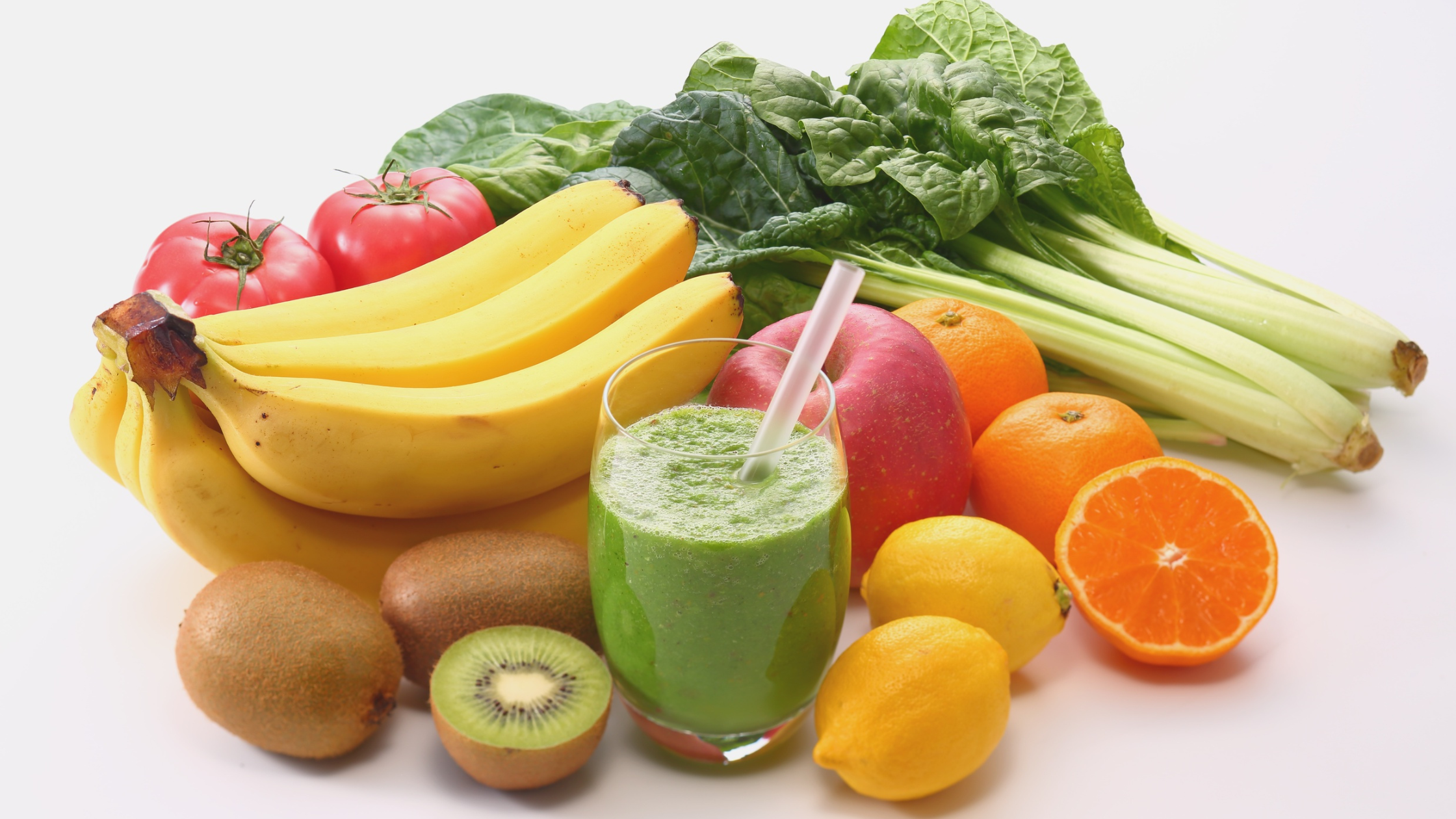
The richest food sources of manganese include whole grains such as brown rice, oats, and wheat germ; legumes including lentils, chickpeas, and black beans; nuts and seeds like hazelnuts, pecans, and pumpkin seeds; leafy greens such as spinach and kale; and spices like cloves, ginger, and cinnamon. Pineapple and black tea are also surprisingly high in manganese and can contribute meaningfully to daily intake. Shellfish, particularly mussels and clams, provide significant amounts as well.
It is important to note that phytic acid — found in whole grains and legumes — can bind manganese and reduce its bioavailability. Soaking, sprouting, or fermenting grains and legumes before cooking significantly reduces phytic acid content and improves manganese absorption. Similarly, cooking spinach or kale lightly rather than eating large quantities raw can improve net mineral uptake. Pairing manganese-rich foods with a source of vitamin C further supports absorption, as ascorbic acid enhances nonheme mineral bioavailability across the board.
For women preparing their bodies for conception, a thoughtful dietary approach that prioritizes whole, minimally processed foods naturally elevates manganese alongside a full spectrum of fertility-supportive nutrients. This strategy aligns with the broader framework outlined in our guide on how to prepare your body for pregnancy in three months, which emphasizes nutrient density as the foundation of preconception health.
Manganese Supplementation: What to Know Before You Buy
When dietary intake alone is insufficient, manganese supplementation can be a useful tool — but it requires a more cautious approach than most fertility supplements. Unlike water-soluble nutrients that are readily excreted when consumed in excess, manganese is primarily eliminated through bile, and the body’s excretory capacity has limits. Chronic high-dose supplementation above 11 mg per day — the tolerable upper intake level set by the Institute of Medicine — has been associated with neurotoxic effects. This underscores the importance of using manganese supplements at moderate, evidence-based doses rather than megadosing.
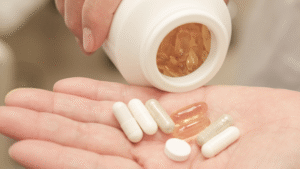
Most prenatal multivitamins that include manganese provide between 2 and 5 mg per serving, which is considered safe and appropriate for women trying to conceive. Products such as Nature Made Prenatal with Folic Acid and DHA and Thorne Basic Prenatal with Folate and Choline are well-formulated options that include trace minerals within a comprehensive preconception matrix. For women seeking organic or food-based formulas, New Chapter Prenatal Vitamins Organic Non GMO offers a whole-food-fermented approach that may support better trace mineral bioavailability.
If you choose a standalone trace mineral supplement, look for chelated forms of manganese — such as manganese bisglycinate or manganese citrate — which are better absorbed and gentler on the digestive system than inorganic forms like manganese sulfate. Take manganese supplements away from high-dose iron or calcium supplements to avoid competitive absorption. As with all supplementation during the preconception period, discussing your individual needs with a healthcare provider familiar with fertility supplements for women is the most responsible path forward.
Frequently Asked Questions
Can manganese deficiency cause infertility?
Research suggests that low manganese levels may impair egg quality, reduce mitochondrial antioxidant defenses, and disrupt hormone metabolism — all of which can make conception more difficult. However, manganese deficiency is rarely the sole cause of infertility and is best evaluated within a comprehensive nutrient assessment alongside a fertility specialist.
How much manganese do women need when trying to conceive?
The adequate intake for adult women is 1.8 mg per day, though some integrative practitioners recommend slightly higher amounts during preconception. The tolerable upper limit is 11 mg per day. Most well-formulated prenatal vitamins provide 2 to 5 mg, which is appropriate for the majority of women trying to conceive.
Does manganese interact with other fertility supplements?
Yes — high doses of iron, calcium, and magnesium can compete with manganese for absorption in the gut. Space these supplements apart by at least two hours when possible. Conversely, vitamin C appears to support manganese absorption and can be taken alongside manganese-rich meals or supplements without concern.
Which foods are highest in manganese for fertility support?
Top manganese-rich foods include whole grains like oats and brown rice, legumes, hazelnuts, pumpkin seeds, leafy greens, pineapple, black tea, and shellfish such as mussels. Incorporating a variety of these foods daily is the most sustainable way to maintain adequate manganese status alongside a fertility-focused diet.
Is manganese included in most prenatal vitamins?
Not always — many basic prenatal formulas omit manganese or include it in very small amounts. Always review the supplement facts panel and choose a comprehensive prenatal that includes trace minerals. Whole-food-based or chelated mineral formulations tend to offer better bioavailability than those using inorganic mineral salts.
A Word From Vitamins For Woman
Manganese for fertility may be one of the most underappreciated pieces of the reproductive health puzzle, and we hope this article has shed meaningful light on why it deserves a place in your preconception plan. Trace minerals work synergistically — no single nutrient operates in isolation — so the most powerful strategy is always a well-rounded, nutrient-dense approach that honors the full complexity of your body. If you’re unsure where your levels stand, a comprehensive micronutrient panel is always a wise starting point. As always, we encourage you to work closely with a qualified healthcare provider who can personalize these recommendations to your unique fertility journey.
References
- Aschner M, Erikson KM, Herrero Hernandez E, Tjalkens R. (2009). Manganese and its role in Parkinson’s disease: from transport to neuropathology. Neuromolecular Medicine. https://pubmed.ncbi.nlm.nih.gov/19680839/
- Baly DL, Keen CL, Hurley LS. (1985). Pyruvate carboxylase and phosphoenolpyruvate carboxykinase activity in developing rats: effect of manganese deficiency. Journal of Nutrition. https://pubmed.ncbi.nlm.nih.gov/3981474/
- Vigeh M, Yokoyama K, Ramezanzadeh F, et al. (2008). Blood manganese concentrations and intrauterine growth restriction. Reproductive Toxicology. https://pubmed.ncbi.nlm.nih.gov/17669617/
- Leung AM, Braverman LE. (2014). Consequences of excess iodine and trace mineral interactions on thyroid function. Nature Reviews Endocrinology. https://pubmed.ncbi.nlm.nih.gov/24342882/
- Nielsen FH. (2009). Micronutrients in parenteral nutrition: boron, silicon, and fluoride. Gastroenterology. https://pubmed.ncbi.nlm.nih.gov/19464195/