
Navigating PCOS insulin resistance supplements for fertility can feel overwhelming, but evidence-based nutrients like inositol, berberine, and magnesium may help regulate blood sugar, restore ovulation, and create a more favorable environment for conception. This guide breaks down what the research actually supports.
If you have been trying to conceive with PCOS, you already know the exhaustion that comes with irregular cycles, confusing lab results, and a fertility journey that feels stacked against you. What many women are not told clearly enough is that insulin resistance — present in up to 70 percent of women with PCOS — is often the engine driving the hormonal chaos. When your cells stop responding properly to insulin, blood sugar climbs, androgens rise, ovulation stalls, and egg quality suffers. It is not a willpower problem. It is a metabolic one.
Understanding the root of the problem changes everything. Elevated insulin stimulates the ovaries to overproduce testosterone, which suppresses the LH surge needed for ovulation. It also drives inflammation and disrupts the delicate hormonal signaling that supports implantation and early pregnancy. For women with PCOS, this creates a cycle that feels impossible to break — but targeted nutritional support can genuinely interrupt it at a biochemical level.
In this article, you will find a clear breakdown of the most researched supplements for PCOS-related insulin resistance and fertility, practical lifestyle strategies that amplify their effects, guidance on what the evidence supports versus what is overhyped, and answers to the most common questions women ask their doctors. Whether you are just starting to investigate or have been supplementing for months without results, this guide is designed to help you make smarter, evidence-informed choices.
The Top Supplements for PCOS Insulin Resistance and Fertility
When it comes to PCOS insulin resistance supplements for fertility, the research is clearest around a handful of compounds that directly address the insulin-signaling pathway. These are not miracle cures, but when combined with dietary changes, they can meaningfully shift hormonal markers and restore ovulatory function.
Myo-Inositol and D-Chiro-Inositol are arguably the most well-studied supplements for PCOS. Inositol is a naturally occurring compound involved in insulin signal transduction. In women with PCOS, both myo-inositol and its metabolite D-chiro-inositol are often deficient. Clinical trials have shown that supplementing with a 40:1 ratio of myo-inositol to D-chiro-inositol improves insulin sensitivity, lowers androgens, and restores ovulation in a significant percentage of women. The Wholesome Story Myo Inositol and D Chiro Inositol for Hormone Balance provides this evidence-backed ratio in a convenient capsule format.
Berberine is a plant alkaloid that activates AMPK, the same cellular energy pathway targeted by the diabetes drug metformin. Multiple randomized controlled trials have found berberine comparable to metformin for improving insulin sensitivity, reducing fasting glucose, and lowering androgens in women with PCOS. You can read more about its broader applications in our guide to berberine and weight loss.
Magnesium plays a critical co-factor role in over 300 enzymatic reactions, including those governing glucose metabolism. Women with PCOS are frequently deficient in magnesium, and low magnesium is independently associated with insulin resistance. Supplementation has been shown to reduce fasting insulin and improve glycemic control. Our article on magnesium for ovulation and cycle health explores this connection in depth.
Additional supplements with meaningful evidence include:
- N-Acetyl Cysteine (NAC): Shown to improve insulin sensitivity and ovulation rates, often compared favorably to metformin in clinical studies. See our dedicated guide on NAC for PCOS and fertility for details.
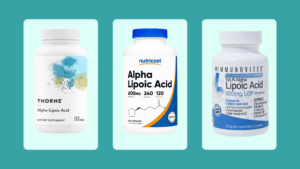
- Alpha-Lipoic Acid (ALA): A potent antioxidant that improves insulin receptor sensitivity and reduces oxidative stress associated with PCOS.
- Vitamin D: Deficiency is extremely common in PCOS and independently predicts worse insulin resistance and lower pregnancy rates in IVF cycles.
- Zinc: Supports insulin signaling, reduces androgens, and improves menstrual regularity in women with PCOS.
- Chromium Picolinate: Enhances insulin receptor activity and has been shown in small trials to reduce fasting insulin and improve ovulatory cycles.
How to Use These Supplements Strategically for Conception
Knowing which supplements are supported by research is only half the equation. How and when you take them — and how you combine them — significantly affects their impact on your fertility outcomes. For women trying to conceive with PCOS, a layered, strategic approach tends to yield better results than a single supplement in isolation.
Start with inositol as your foundation. The evidence for myo-inositol in particular is strong enough that many reproductive endocrinologists now recommend it as a first-line intervention before pharmaceutical options. A typical dose studied in trials is 4 grams of myo-inositol combined with 400 mcg of folic acid daily. This combination has been shown to improve not just insulin sensitivity but also egg quality and embryo development in women undergoing IVF.
Add berberine strategically if inositol alone is insufficient. Because berberine can interact with certain medications — including metformin — discuss this with your doctor if you are already on pharmaceutical treatment. Berberine is typically dosed at 500 mg two to three times daily with meals.
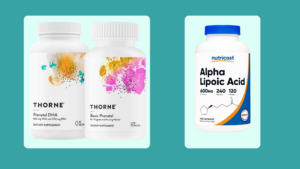
Folate deserves special attention in the PCOS-fertility context. Many women with PCOS have MTHFR gene variants that impair folic acid conversion, making methylfolate the preferred form. Our article on folate vs. folic acid when trying to conceive explains this distinction clearly. Pairing a prenatal vitamin that uses methylfolate — such as Thorne Basic Prenatal with Folate and Choline — with your PCOS supplement protocol is a sensible, evidence-informed strategy.
Practical tips for building your supplement protocol:
- Take inositol with meals to reduce gastrointestinal side effects and improve absorption.
- Time berberine before carbohydrate-heavy meals to blunt post-meal insulin spikes most effectively.
- Take magnesium in the evening — it also supports sleep quality, which itself has a significant impact on insulin sensitivity.
- Use a methylated prenatal vitamin alongside PCOS-specific supplements rather than trying to stack everything individually.
- Allow 8-12 weeks minimum before evaluating results, as follicular development and hormonal shifts take time to manifest measurably.
Lifestyle Factors That Amplify Supplement Effectiveness
No supplement protocol for PCOS-related insulin resistance works optimally in isolation. The evidence is consistent: dietary and lifestyle changes act synergistically with supplements, often producing better outcomes together than either approach alone. Understanding this relationship is important for women who have been supplementing without seeing progress.
Diet quality is the single most powerful lever available. A low-glycemic diet — one that minimizes refined carbohydrates and added sugars while emphasizing fiber, protein, and healthy fats — directly reduces the insulin burden on your cells. Research published in the journal Nutrients consistently shows that a low-GI dietary pattern reduces fasting insulin, lowers androgen levels, and improves menstrual regularity in women with PCOS without pharmaceutical intervention. This does not mean eliminating all carbohydrates; it means choosing whole grains, legumes, vegetables, and berries over processed foods and sugary drinks.
Resistance training deserves particular emphasis. Skeletal muscle is the primary tissue responsible for insulin-mediated glucose uptake, accounting for up to 80 percent of post-meal glucose disposal. Building and maintaining muscle mass through resistance exercise is therefore one of the most direct ways to improve insulin sensitivity. Studies show that even two to three sessions of strength training per week produces measurable reductions in fasting insulin in women with PCOS. Combining this with inositol or berberine supplementation appears to produce additive benefits.
Sleep and stress management are frequently underestimated in the PCOS conversation. Chronic sleep deprivation elevates cortisol, which drives insulin resistance and promotes visceral fat accumulation — both of which worsen PCOS. Similarly, chronic psychological stress activates the HPA axis and keeps cortisol chronically elevated, directly interfering with ovarian function. Our article on natural ways to lower cortisol offers evidence-based strategies for addressing this component. Even supplementing with Goli Ashwagandha Gummies for Stress and Hormone Support may help modulate the stress-insulin-fertility axis, given ashwagandha’s well-documented cortisol-lowering properties in clinical trials.
Gut health is an emerging and genuinely exciting area in PCOS research. Growing evidence suggests that gut microbiome composition influences both insulin sensitivity and androgen metabolism. Women with PCOS show distinct differences in gut microbiota compared to healthy controls. Incorporating fermented foods, prebiotic-rich vegetables, and targeted probiotic supplementation into your protocol may support both metabolic and reproductive health through the gut-hormone axis.
What the Evidence Does Not Support — And Red Flags to Watch For
In the supplement industry, PCOS and fertility are lucrative marketing territories. This means women searching for solutions are frequently targeted with products that make compelling claims but lack credible evidence. Being able to critically evaluate these claims protects both your health and your wallet.
Proprietary blends with undisclosed dosages are a common problem. Many supplements market themselves for PCOS support but contain active ingredients at doses far below what was used in clinical trials. For instance, inositol trials typically use 4 grams per day — if a product contains 500 mg of inositol as part of a blend, it is unlikely to produce the studied effects regardless of how the label is written. Always check that the dosage of key active ingredients matches the clinical trial evidence.
Supplements marketed around the claim of “balancing hormones” deserve skepticism unless the specific mechanism and supporting research are clearly cited. True hormonal balance in PCOS comes from addressing the root drivers — primarily insulin resistance and inflammation — not from generic hormone-support blends. That said, some hormonal support products do contain meaningful active ingredients. Products like Happy Healthy Hippie Go With The Flow Hormone Balance for Women can be a useful part of a broader protocol when their ingredient profiles are evaluated thoughtfully.
Be cautious about supplements that promise rapid results. Meaningful changes in insulin sensitivity, ovulatory function, and egg quality require time — typically at least three months and ideally a full six months of consistent supplementation combined with dietary changes. Any product promising visible hormonal changes within days is making claims that are not physiologically credible. PCOS management is a long game, and supplements are tools to support a sustained lifestyle strategy, not quick fixes.
Finally, always discuss your supplement protocol with a reproductive endocrinologist or integrative medicine physician who understands PCOS. Some supplements interact with fertility medications, and dosage needs may vary significantly depending on your specific hormonal profile, BMI, and fertility treatment plan. Lab testing — including fasting insulin, HOMA-IR, and micronutrient levels — before and during supplementation allows you to measure actual changes rather than guessing.
Frequently Asked Questions
Can PCOS insulin resistance supplements alone improve my chances of getting pregnant?
Supplements can meaningfully improve insulin sensitivity, restore ovulation, and support egg quality, but they work best as part of a broader strategy that includes dietary changes and medical supervision. For some women with mild PCOS, supplements like inositol have been sufficient to restore regular cycles and achieve conception naturally.
How long does it take for inositol to improve fertility in PCOS?
Most clinical trials measure outcomes over 12 to 24 weeks of supplementation. Many women notice improved cycle regularity within 8 to 12 weeks, though egg quality improvements and measurable hormonal changes may take up to six months. Consistency is essential — irregular supplementation significantly reduces effectiveness.
Is berberine safe to take when trying to conceive?
Berberine is generally considered safe during the pre-conception period but should be discontinued once pregnancy is confirmed, as there is insufficient safety data for use during pregnancy. Always consult your doctor before starting berberine, especially if you take metformin or other medications that affect blood sugar.
Do I need to take a prenatal vitamin on top of PCOS-specific supplements?
Yes. A high-quality prenatal vitamin — ideally one containing methylfolate, choline, and vitamin D — provides essential nutrients for early fetal development and complements rather than replaces PCOS-specific supplements. Starting a prenatal vitamin at least three months before conception is widely recommended.
Can insulin resistance in PCOS affect implantation even if I do ovulate?
Yes. Elevated insulin and the associated inflammatory environment can impair endometrial receptivity and affect the hormonal milieu needed for successful implantation. Addressing insulin resistance supports not just ovulation but also the entire conception-to-implantation pathway. Our article on supplements that help with implantation explores this further.
A Word From Vitamins For Woman
Managing PCOS-related insulin resistance is one of the most impactful things you can do for your fertility, and the evidence supporting targeted supplementation is genuinely encouraging. We recommend working with a knowledgeable healthcare provider to tailor a supplement protocol to your specific hormonal profile, and pairing it consistently with dietary changes and stress management. Your body has a remarkable capacity to respond when given the right nutritional support — and with patience, the right strategy can meaningfully shift the odds in your favor.
References
- Unfer V et al. (2017). Effects of myo-inositol in women with PCOS: a systematic review of randomized controlled trials. Gynecological Endocrinology. https://pubmed.ncbi.nlm.nih.gov/28222596/
- Li Y et al. (2018). Efficacy of berberine in patients with non-alcoholic fatty liver disease and type 2 diabetes mellitus comorbidity: A systematic review. Evidence-Based Complementary and Alternative Medicine. https://pubmed.ncbi.nlm.nih.gov/29854003/
- Showell MG et al. (2020). Antioxidants for female subfertility. Cochrane Database of Systematic Reviews. https://pubmed.ncbi.nlm.nih.gov/32068253/
- Papaleo E et al. (2009). Myo-inositol in patients with polycystic ovary syndrome: a novel method for ovulation induction. Gynecological Endocrinology. https://pubmed.ncbi.nlm.nih.gov/19396664/
- Nadjarzadeh A et al. (2015). The effect of omega-3 supplementation on androgen profile and menstrual status in women with polycystic ovary syndrome: A randomized clinical trial. Iranian Journal of Reproductive Medicine. https://pubmed.ncbi.nlm.nih.gov/26330844/