
Starting IVF is one of the most emotionally loaded decisions a woman can make. You have already been through tests, waiting rooms, and conversations that feel too clinical for something so deeply personal. And somewhere in that process, someone — a friend, a forum, a well-meaning relative — tells you about a supplement that “worked for them.” Suddenly you are standing in a pharmacy aisle wondering whether any of this is actually safe, or whether you are about to undo months of careful preparation. That fear is completely valid, and you deserve clear answers.
The challenge is that infertility has many overlapping root causes — poor egg quality, oxidative stress, mitochondrial dysfunction, nutrient deficiencies, and inflammation — and no single supplement addresses all of them. IVF protocols are also highly individualised. What your clinic prescribes interacts with everything you take independently, which means a supplement that is harmless in one woman can interfere with follicular response or hormone levels in another. This is not a reason to avoid all supplementation; it is a reason to be precise about what you choose and why.
In this article, you will find a breakdown of the supplements with the strongest clinical evidence for supporting IVF outcomes, a practical guide to nutrients that appear safe and beneficial during stimulation and transfer cycles, a clear list of what to pause or avoid, and advice on how to structure the conversation with your reproductive endocrinologist before your next cycle begins.
Why Supplement Support Matters in IVF Cycles
IVF places significant metabolic demands on the body. Controlled ovarian stimulation triggers the simultaneous development of multiple follicles, a process that dramatically increases the production of reactive oxygen species. When oxidative stress outpaces the body’s antioxidant defences, egg quality can suffer — leading to poor fertilisation rates, fragmented embryos, and failed implantation. Research published in Nutrients has confirmed that antioxidant status at the time of egg retrieval is significantly associated with fertilisation and blastocyst development rates.
Nutrient depletion is another concern. Many women entering IVF cycles are already low in key micronutrients — particularly folate, vitamin D, and coenzyme Q10 — due to dietary gaps, prior hormonal contraception use, or conditions like PCOS or endometriosis. These deficiencies can quietly impair oocyte maturation and endometrial receptivity without producing obvious symptoms.
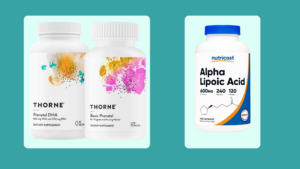
A high-quality prenatal multivitamin is the logical starting point. Products like Thorne Basic Prenatal with Folate and Choline provide methylated folate alongside choline, iron, and iodine in forms that are well-absorbed even under the physiological stress of stimulation. For a broader overview of what to look for before and during a cycle, see our guide on the best fertility supplements for women.
- Start your prenatal at least three months before retrieval to allow nutrient levels to build meaningfully in follicular fluid.
- Choose methylfolate over synthetic folic acid if you have an MTHFR gene variant, as the active form is directly usable by the body.
- Confirm your vitamin D status with a blood test before supplementing, since both deficiency and excessive supplementation can affect implantation.
- Look for iron in the ferrous bisglycinate form to minimise nausea and constipation, which are already common during stimulation.
- Avoid prenatals containing high-dose vitamin A as retinol — stick to beta-carotene sources, particularly in the luteal and early implantation phases.
Supplementing strategically in the months before an IVF cycle — rather than starting everything at once during stimulation — gives your body the best opportunity to benefit. Our article on how to prepare your body for pregnancy in three months provides a practical timeline you can follow alongside your clinic’s protocol.
The Most Evidence-Backed Supplements for IVF Support
Coenzyme Q10 is arguably the most researched supplement in the IVF context. It plays a central role in mitochondrial energy production within oocytes, and mitochondrial function declines with age — which is one of the key reasons egg quality drops after 35. A randomised controlled trial published in the Journal of Clinical Endocrinology and Metabolism found that women with diminished ovarian reserve who took CoQ10 prior to IVF had significantly higher numbers of retrieved oocytes and improved fertilisation rates compared to placebo. The ubiquinol form is generally better absorbed than ubiquinone, particularly in women over 35.
Omega-3 fatty acids — specifically EPA and DHA — support endometrial receptivity and reduce pro-inflammatory cytokines that can impair implantation. A 2022 meta-analysis in Reproductive Biology and Endocrinology noted that omega-3 supplementation was associated with improved clinical pregnancy rates in IVF cycles. DHA is also critical for early fetal neurological development, so continuing it through transfer and beyond is appropriate.
Melatonin deserves mention as an often-overlooked antioxidant. Follicular fluid is naturally rich in melatonin, and several small trials have shown that supplementing with 3 mg nightly during stimulation is associated with higher-quality oocytes and improved fertilisation. However, it should only be used under clinical guidance, as it can affect hormonal signalling.
- CoQ10 (ubiquinol form, 200–600 mg/day): best started two to three months before retrieval to allow mitochondrial loading.
- Omega-3 (EPA + DHA, at least 1000 mg/day): safe throughout stimulation and the luteal phase; continue into early pregnancy.
- Vitamin D3 (dosage based on serum levels): optimal levels of 40–60 ng/mL are associated with higher live birth rates in IVF.
- Melatonin (3 mg nightly during stimulation): discuss with your RE before starting; timing matters relative to your protocol.
- Myo-inositol (2–4 g/day): particularly relevant for women with PCOS undergoing IVF, where it may improve oocyte quality and reduce ovarian hyperstimulation risk.
If you are also concerned about how low AMH may be affecting your IVF response, our article on low AMH and natural supplement support discusses additional strategies that can be explored alongside your clinic’s recommendations.
What to Avoid or Pause During an Active IVF Cycle
Knowing what to stop is just as important as knowing what to take. Several popular supplements that are generally beneficial for fertility can interfere with IVF protocols in ways that are not immediately obvious. Vitex (chasteberry), for example, influences dopamine and prolactin pathways and can potentially disrupt the precision hormone control that IVF protocols depend on. Most reproductive endocrinologists advise stopping vitex at least one cycle before beginning stimulation.
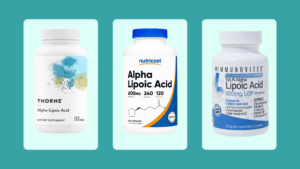
High-dose antioxidants taken in excess can paradoxically blunt the oxidative signalling that is required for normal follicular development and ovulation. While moderate antioxidant support is beneficial, megadosing vitamin C (above 1000 mg/day), vitamin E (above 400 IU/day), or alpha-lipoic acid during stimulation is generally not recommended without specific clinical indication.
Herbal supplements are another area of caution. St John’s Wort is a well-documented inducer of CYP3A4 enzymes and can reduce the plasma levels of medications used in IVF protocols. Dong quai and black cohosh have oestrogenic or anti-oestrogenic activity that can interfere with follicular response. DHEA is sometimes recommended for poor responders but must only be used under direct medical supervision, as inappropriate use can worsen outcomes. Our detailed article on DHEA supplementation for diminished ovarian reserve explains the nuances of when it is and is not appropriate.
Ashwagandha is another adaptogen that women often take for stress during fertility treatment. While it has real benefits for cortisol regulation, it has mild thyroid-stimulating properties and can affect reproductive hormone balance. It is generally advisable to pause ashwagandha during active stimulation and transfer cycles and discuss resumption with your provider. The same applies to maca root, which has hormonal activity that is not yet fully characterised in the context of exogenous gonadotrophins.
Structuring Your Supplement Protocol With Your Clinic
The most important step you can take is to bring a written list of every supplement you are currently taking to your next appointment — including dosages, brands, and timing. Many women assume their clinic only needs to know about prescription medications, but reproductive endocrinologists need a complete picture to anticipate interactions and make informed decisions about your protocol.
Ask your clinic specifically about their position on CoQ10, melatonin, and omega-3 supplementation during stimulation. These three have the strongest evidence base and are accepted by many IVF programmes as complementary support. If your clinic has no policy on a particular supplement, that is not the same as a green light — it simply means the question has not been studied in their specific patient population.
Timing your supplement protocol matters as much as the supplements themselves. In general, the three months before retrieval represent the most impactful window for nutrients that affect egg quality, because oocyte maturation (meiosis I completion) takes approximately 90 days. Starting a prenatal like Nature Made Prenatal with Folic Acid and DHA well before your retrieval cycle is more effective than starting it on the day of stimulation. Similarly, Ritual Essential for Women Prenatal Multivitamin offers a delayed-release design that improves tolerability during the often-nauseating stimulation phase.
After transfer, the priority shifts to endometrial support and early pregnancy protection. Folate, vitamin D, choline, and omega-3 remain relevant. Progesterone support through diet and targeted supplementation may also be appropriate — for context on the evidence, see our article on progesterone and early pregnancy support. Continue working closely with your care team at every stage, and do not make changes to your supplement protocol mid-cycle without consulting them first.
Frequently Asked Questions
Is it safe to take CoQ10 during IVF stimulation?
CoQ10 is generally considered safe during IVF stimulation and is supported by clinical evidence for improving egg quality and fertilisation rates. Most reproductive endocrinologists recommend starting it two to three months before retrieval rather than during the stimulation phase itself for maximum benefit.
Can I take a prenatal vitamin alongside my IVF medications?
Yes, a prenatal multivitamin is typically recommended throughout IVF treatment. Choose one with methylfolate rather than synthetic folic acid, and ensure it does not contain excessive vitamin A as retinol. Always confirm your specific prenatal is appropriate with your reproductive endocrinologist.
Should I stop taking herbal supplements before starting IVF?
Yes. Most herbal supplements — including vitex, dong quai, maca, ashwagandha, and St John’s Wort — should be paused at least one full cycle before beginning an IVF protocol. These herbs can interfere with the hormonal precision that IVF medications require.
Does vitamin D really affect IVF success rates?
Research suggests that adequate vitamin D levels are associated with higher clinical pregnancy and live birth rates in IVF. Optimal serum levels of 40–60 ng/mL are generally recommended. Have your levels tested and supplement based on results rather than taking a standard dose blindly.
Is myo-inositol safe during IVF for women with PCOS?
Myo-inositol is considered safe and may be beneficial for women with PCOS undergoing IVF, with evidence suggesting improved oocyte quality and potentially reduced ovarian hyperstimulation risk. A dose of 2–4 g daily is commonly studied. Discuss timing and dosage with your clinic before your cycle begins.
A Word From Vitamins For Woman
Navigating fertility supplements safe to take during IVF requires balancing genuine scientific evidence with the specific demands of your individual protocol. The nutrients with the strongest support — CoQ10, methylfolate, omega-3, and vitamin D — are worth discussing seriously with your reproductive endocrinologist. Always bring a complete supplement list to every appointment, pause herbal supplements before stimulation begins, and remember that timing your nutritional support in the months before retrieval is where the greatest impact lies. You are already doing something incredibly brave — let the evidence guide the rest.
References
- Bentov Y, Casper RF. (2013). The aging oocyte — can mitochondrial function be improved? Fertility and Sterility. https://pubmed.ncbi.nlm.nih.gov/23312230/
- Nazari L, Salehpour S, Hoseini S, et al. (2016). Effects of melatonin supplementation on the outcomes of in vitro fertilization. Gynecological Endocrinology. https://pubmed.ncbi.nlm.nih.gov/27077455/
- Polyzos NP, Anckaert E, Guzman L, et al. (2014). Vitamin D deficiency and pregnancy rates in women undergoing single embryo transfer. Human Reproduction. https://pubmed.ncbi.nlm.nih.gov/24265070/
- Unfer V, Carlomagno G, Dante G, Facchinetti F. (2012). Effects of myo-inositol in women with PCOS: a systematic review of randomized controlled trials. Gynecological Endocrinology. https://pubmed.ncbi.nlm.nih.gov/22296306/
- Showell MG, Mackenzie-Proctor R, Jordan V, Hart RJ. (2020). Antioxidants for female subfertility. Cochrane Database of Systematic Reviews. https://pubmed.ncbi.nlm.nih.gov/32118296/