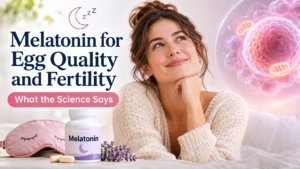
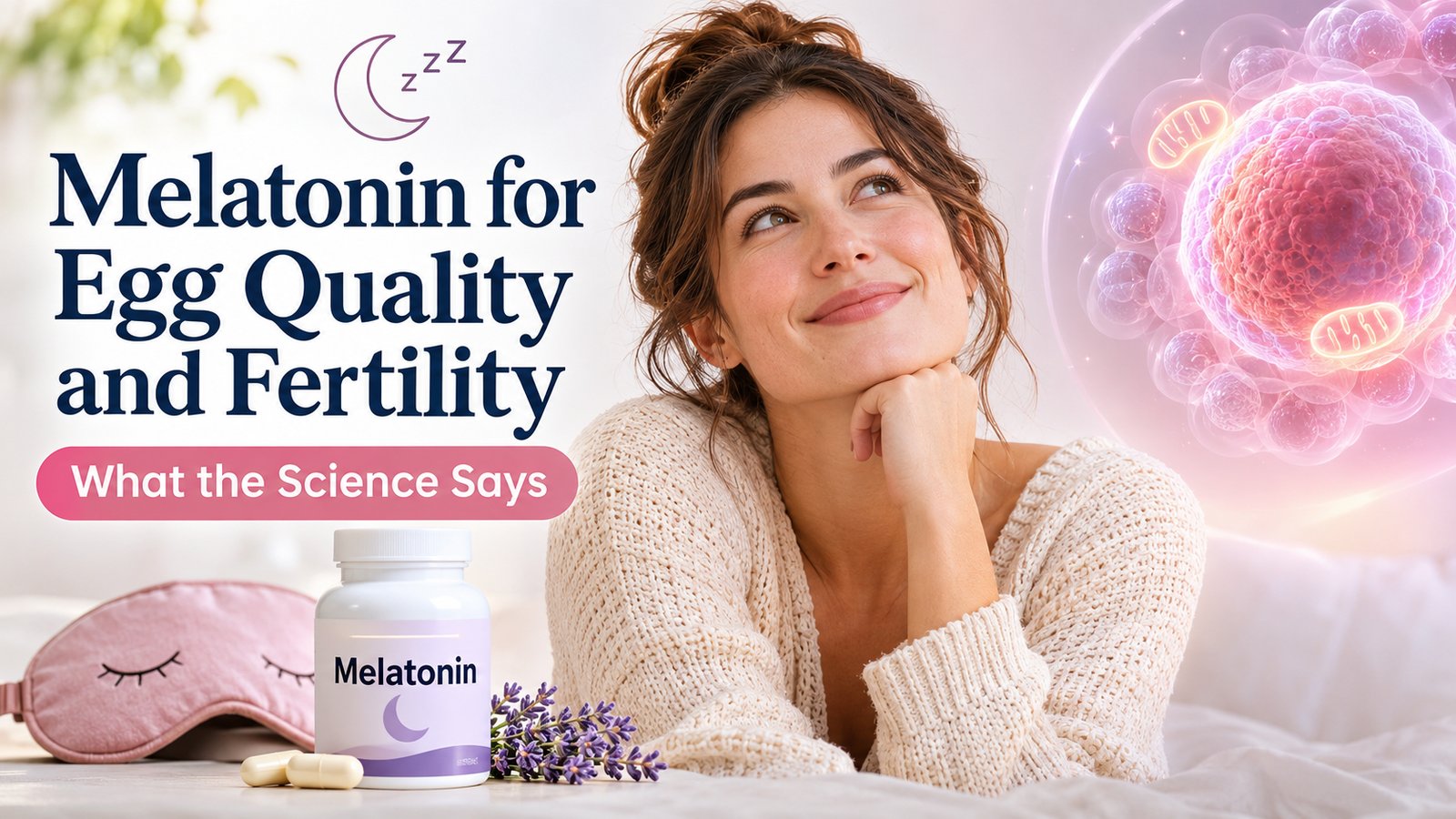
If you are over 35 and thinking about your egg quality, you may have come across melatonin for egg quality as a topic worth exploring.
Being told that your eggs are aging can be difficult, especially if you are over 35 and trying to conceive. Whether you are pursuing IVF, IUI, or trying naturally, concerns about egg quality can leave you wondering what is happening inside your body and whether anything can help.
As women age, changes in the eggs’ mitochondria and an increase in oxidative stress may affect egg quality. Oxidative stress occurs when free radicals build up and damage cells. This can affect the structures responsible for producing energy and supporting normal egg development. These changes are part of reproductive aging, not a sign that you have done something wrong.
One nutrient researchers are exploring is melatonin, best known for its role in regulating sleep. It also has antioxidant properties and may help protect ovarian cells from oxidative stress. But what does the research actually say about melatonin, egg quality, and fertility?
This article looks at the available evidence, its potential benefits, how it relates to other fertility nutrients, and the precautions to consider before taking a supplement.
How Does Melatonin Work in the Ovaries?
Most people know melatonin as the hormone that helps regulate sleep. However, it also plays a role in ovarian health. The ovaries produce melatonin locally, and it is found in the fluid surrounding developing eggs, known as follicular fluid.
One of its important functions is protecting cells from oxidative stress. Free radicals can damage egg DNA and mitochondria, which are responsible for producing the energy eggs need to mature.
Melatonin may also help protect granulosa cells. These cells surround the developing egg, supplying nutrients and hormonal signals that support its growth. Keeping these cells healthy is important for normal follicle development.
Here is how melatonin may support the ovarian environment:
- Helps neutralise free radicals that can damage egg cells.
- May protect mitochondrial function and support cellular energy production.
- Helps protect granulosa cells that nourish developing eggs.
- May support the environment needed for normal follicle development.
For a broader look at ways to support reproductive health, read our guide on how to improve egg quality after 35.
Can Melatonin Improve Egg Quality? What Clinical Studies Show
Research into melatonin and female fertility has produced some encouraging findings, particularly among women undergoing IVF. However, the results are not yet strong enough to establish it as a standard fertility treatment.
Some clinical trials have reported improvements in fertilisation rates and the number of mature eggs following melatonin supplementation. Other studies have examined women with previous poor fertilisation outcomes and found improvements in certain egg and embryo development measures.
A 2026 systematic review and meta-analysis examining 36 publications found that melatonin supplementation was associated with higher clinical pregnancy rates and live birth rates among women undergoing assisted reproductive treatment. However, the certainty of evidence ranged from very low to moderate, and the evidence for live birth was limited. <Cite refs={[“turn429610search0″,”turn429610search1”]}/>
This means melatonin may have potential benefits during fertility treatment, but it is too early to say that it reliably improves egg quality or increases the chances of pregnancy for every woman.
If you have diminished ovarian reserve or low AMH, you may also find our guide to natural supplement support for low AMH useful.
Can You Combine Melatonin With CoQ10 and Other Fertility Supplements?
Melatonin is sometimes used alongside other antioxidants because they support different aspects of cellular health.
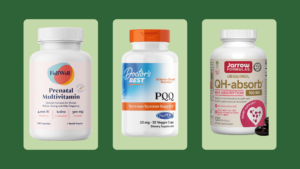
CoQ10, for example, helps mitochondria produce energy, while melatonin helps protect cells against oxidative stress. This is why both nutrients have attracted interest in research on egg quality and reproductive aging.
Other nutrients studied for their antioxidant properties and potential roles in reproductive health include:
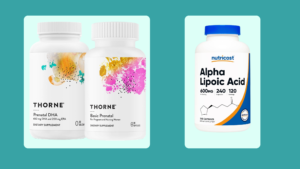
- Alpha lipoic acid: Helps support the body’s antioxidant defence system.
- Vitamin C: An antioxidant that helps protect cells from oxidative damage.
- Vitamin E: Helps protect cell membranes from oxidative stress.
- N acetyl cysteine (NAC): Supports the production of glutathione, an important antioxidant in the body.
These nutrients should not automatically be combined into one supplement routine. The right approach depends on your nutritional needs, medical history, and fertility treatment plan.
For more information, read our guide to the best CoQ10 supplements for fertility.
Best Melatonin Supplements to Consider for Fertility Support
If your healthcare provider agrees that melatonin is appropriate for you, choosing a reputable product is important. Look for clear ingredient information, accurate dosage labelling, and independent quality testing where available.
Here are five products you can explore:
- Natrol Melatonin Advanced Sleep
- Life Extension Melatonin
- Pure Encapsulations Melatonin
- Fairhaven Health Egg Quality Bundle
- Thorne Basic Prenatal
These products are not interchangeable. The first three provide melatonin, while the Fairhaven bundle and Thorne prenatal serve different nutritional purposes. A prenatal vitamin also does not replace a standalone melatonin supplement.
Before purchasing, check the current product label and discuss the ingredients with your doctor or reproductive specialist, particularly if you are taking fertility medication.
When Should You Start Taking Melatonin for Egg Quality?
There is no established timeline or dosage for using melatonin to improve egg quality. However, some IVF studies have started supplementation several weeks before egg retrieval.
If you are preparing for IVF or IUI, ask your reproductive specialist whether melatonin is suitable for your treatment plan and when it should be started.
It is also important to discuss when to stop taking it. Safety information on melatonin use during pregnancy is limited, so do not continue supplementation after a positive pregnancy test without medical guidance.
Remember that melatonin cannot reverse reproductive aging or guarantee better eggs. Healthy sleep, balanced nutrition, avoiding smoking, limiting alcohol, and addressing nutritional deficiencies remain important parts of preconception care.
Frequently Asked Questions About Melatonin and Egg Quality
Can melatonin really improve egg quality?
Some studies suggest that melatonin may help protect eggs from oxidative stress and improve certain IVF outcomes, including fertilisation and embryo development. However, more research is needed to establish whether it consistently improves egg quality and pregnancy rates.
How long should I take melatonin before IVF?
Some clinical studies have used melatonin for several weeks before egg retrieval. However, there is no universally established duration or dosage for fertility support. Your reproductive specialist should guide you based on your treatment plan.
Can I take melatonin while trying to conceive naturally?
Melatonin has been studied mainly in assisted reproduction settings, so there is limited evidence about its benefits when trying to conceive naturally. Safety information during early pregnancy is also limited. Speak with your healthcare provider before starting it, and ask whether you should stop once pregnancy is confirmed.
A Word From Vitamins For Woman
Trying to conceive after 35 can come with difficult questions, especially when egg quality becomes a concern. Research into melatonin offers an interesting look at how antioxidants may support the ovarian environment and reproductive health.
Although some clinical findings are encouraging, melatonin is not a proven solution for age related egg quality decline. Speak with your reproductive specialist before adding it to your routine, and focus on an overall approach to preconception health.
References
- Tamura H et al. (2013). Melatonin and female reproduction. Journal of Pineal Research. PMID: 23808966. PubMed
- Tamura H et al. (2008). Oxidative stress impairs oocyte quality and melatonin protects oocytes from free radical damage and improves fertilization rate. Journal of Pineal Research. PMID: 18194199. PubMed
- Reiter RJ et al. (2014). Melatonin as an antioxidant: under promises but over delivers. Journal of Pineal Research. PMID: 25139107. PubMed
- Fernando S et al. (2018). Melatonin in assisted reproductive technology: a pilot double-blind randomized placebo-controlled clinical trial. Frontiers in Endocrinology. PMID: 29887837. PubMed
- Nishihara T et al. (2014). Oral melatonin supplementation improves oocyte and embryo quality in IVF patients with sleep disturbances. Journal of Pineal Research. PMID: 24118484. PubMed