Choosing the best prenatal vitamin for egg quality is one of the most proactive steps a woman can take before pregnancy. The months leading up to conception are when egg maturation is most sensitive to nutrient status, and the right formula can meaningfully support the cellular environment in which your eggs develop.
If you have been staring at a shelf of prenatal bottles wondering whether any of it truly matters, you are not alone. Many women feel a quiet mix of hope and overwhelm when they begin researching fertility nutrition. The truth is that egg health is deeply personal and can be affected by age, stress, environmental toxins, and underlying hormonal conditions. None of that is your fault, and more importantly, much of it is something you can support.
Egg quality declines gradually from the mid-thirties onward, largely because mitochondrial function in the oocyte becomes less efficient and oxidative stress accumulates over time. Nutrient deficiencies, poor blood sugar regulation, thyroid imbalance, and chronic low-grade inflammation can all accelerate this process. The encouraging news is that the egg maturation cycle takes roughly 90 days, which means the nutritional choices you make today have a real window to make a difference.
In the sections ahead you will find a breakdown of the most evidence-supported nutrients for egg quality, practical guidance on how to read a prenatal label, an honest look at when a standard prenatal formula may not be enough, and answers to the questions women ask most often. Products mentioned are real, widely available options your pharmacist or doctor can help you evaluate.
The Nutrients That Matter Most for Egg Quality
Not all prenatal vitamins are created equal when egg quality is the goal. A standard prenatal covers the basics for fetal development, such as folate and iron, but supporting oocyte health before conception requires a closer look at antioxidant status and mitochondrial fuel. Oxidative stress is one of the most well-documented contributors to poor egg quality, and several nutrients work directly to neutralise free radicals inside the follicular environment.
Coenzyme Q10, often called CoQ10, is arguably the most researched nutrient in this space. It plays a central role in mitochondrial energy production, and because egg cells have an unusually high mitochondrial density, their demand for CoQ10 is significant. A 2018 randomised trial published in the Journal of Ovarian Research found that CoQ10 supplementation was associated with improved ovarian response and embryo quality in women undergoing IVF. For women who want a prenatal that includes this nutrient, Theralogix TheraNatal OvaVite is a well-regarded option that combines a comprehensive prenatal with a separate CoQ10 capsule.
Methylfolate rather than synthetic folic acid is now widely recommended for women trying to conceive, particularly those with MTHFR gene variants who cannot efficiently convert folic acid. You can read more about this distinction in our detailed guide on folate vs folic acid when trying to conceive. Vitamin D, omega-3 fatty acids, and zinc round out the core nutrients with the strongest evidence for follicular health.
- Look for methylfolate (5-MTHF) rather than folic acid on the label if you have an MTHFR variant or simply want the most bioavailable form.
- Choose a formula that includes vitamin D3, as deficiency is common and has been associated with reduced IVF success rates in observational studies.
- Prioritise a prenatal that provides omega-3 DHA from algal or fish oil sources, since DHA is concentrated in the fluid surrounding developing eggs.
- Check for zinc, which supports follicle development and protects against oxidative damage to the oocyte.
- Consider whether CoQ10 is included or whether you need a separate supplement, as most standard prenatals omit it due to capsule size constraints.
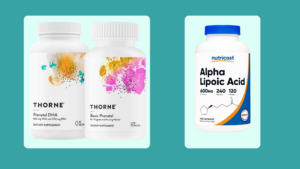
Thorne Basic Prenatal is a well-formulated option that uses methylfolate and provides a broad antioxidant base, making it a strong starting point for many women.
How to Read a Prenatal Label With Egg Quality in Mind
Walking into a supplement aisle or scrolling through Amazon listings can feel like decoding a foreign language. Understanding a few key label principles makes the process far less stressful and helps you avoid paying a premium for a product that does not actually deliver what you need.
Look at the folate source. Labels that list only folic acid are using the synthetic form, which requires enzymatic conversion in the body. Methylfolate or 5-methyltetrahydrofolate bypasses that step entirely.
Second, examine the iron form. Ferrous bisglycinate is gentler on the stomach and better absorbed than ferrous sulfate, which matters when you are taking a vitamin daily for months before conception.
Third, check whether the label specifies the vitamin D amount and form. D3 (cholecalciferol) raises serum levels more effectively than D2.
Fourth, assess whether the B12 is listed as methylcobalamin or cyanocobalamin. Methylcobalamin is the active form and is particularly relevant if you are also concerned about B12 deficiency and fertility.
- Synthetic folic acid should ideally be replaced by or paired with methylfolate for women with known MTHFR variants.
- Ferrous bisglycinate is preferred over ferrous sulfate for tolerability and absorption.
- D3 is the more effective form of vitamin D for raising serum 25-OH-D levels.
- Methylcobalamin is the active, neurologically preferred form of B12.
- A shorter, cleaner ingredient list with recognisable nutrient forms often signals a higher-quality formula.
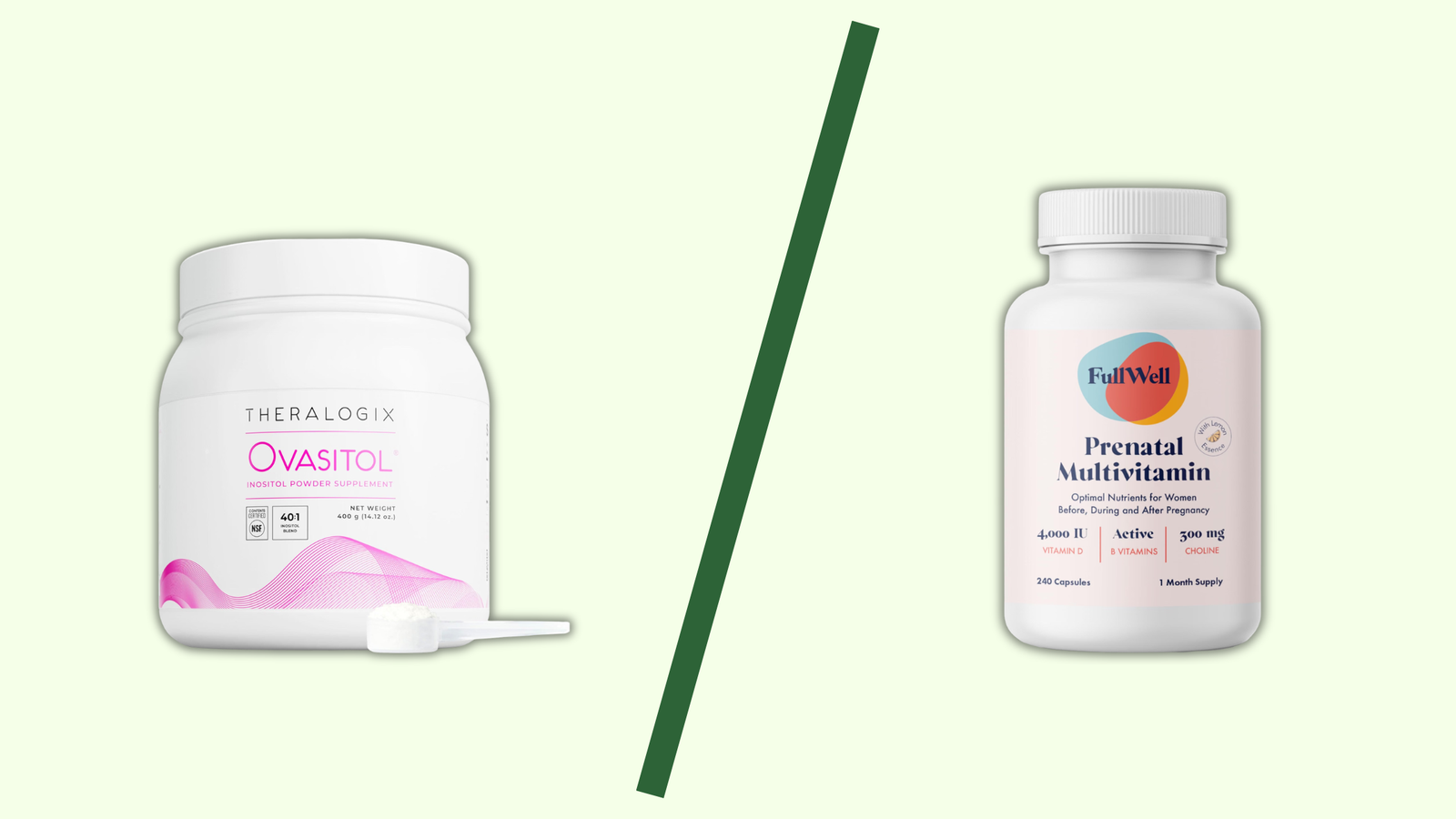
FullWell Prenatal Multivitamin is frequently praised by reproductive endocrinologists for its high-dose methylfolate and choline content, two nutrients that are often underprovided in standard formulas. It does come in a larger daily capsule count, which some women find inconvenient, but the nutrient density is difficult to match in a single-tablet format.
When a Standard Prenatal Is Not Enough
For some women, a comprehensive prenatal vitamin is a strong foundation but not the complete picture. Women over 35, those with a diagnosis of diminished ovarian reserve, and those who have experienced repeated IVF cycle failures are often advised by their reproductive specialists to layer in additional targeted support.
DHEA is one example. A number of fertility clinics now recommend low-dose DHEA supplementation for women with diminished ovarian reserve, based on evidence suggesting it may support the androgen environment needed for follicular recruitment. Our article on DHEA supplements for diminished ovarian reserve covers the current evidence in detail. DHEA should only be used under medical supervision, as it can affect hormonal balance.
N-acetyl cysteine (NAC) is another nutrient that has attracted attention for its antioxidant and anti-inflammatory properties, particularly in women with PCOS. It acts as a precursor to glutathione, the body’s primary intracellular antioxidant.
Inositol, specifically a combination of myo-inositol and D-chiro-inositol, has similarly emerged as a meaningful adjunct for women with insulin-related hormonal disruption affecting egg quality.
The key message here is that targeted supplementation works best when it is tailored to your individual hormonal and metabolic profile. Blood tests for vitamin D, B12, ferritin, thyroid hormones, and AMH can help you and your healthcare provider decide which gaps genuinely need filling rather than supplementing broadly and hoping for the best.
Lifestyle Factors That Work Alongside the Right Prenatal
Even the best prenatal vitamin for egg quality cannot compensate fully for lifestyle factors that actively generate oxidative stress or disrupt hormonal signalling. The good news is that the changes with the strongest evidence are accessible, not extreme, and tend to have positive ripple effects beyond fertility.
Sleep
Sleep is often the most underestimated factor. Melatonin, produced during deep sleep, is found in high concentrations in follicular fluid and appears to act as a direct antioxidant for the developing egg. A 2017 study in the Journal of Pineal Research found that women undergoing IVF who supplemented with melatonin had improved fertilisation rates compared to controls. Protecting consistent, sufficient sleep is therefore not a luxury during preconception preparation. It is a biological priority.
Dieting
Diet quality matters independently of supplementation. A Mediterranean-style eating pattern, rich in colourful vegetables, legumes, oily fish, and olive oil, has been associated with better IVF outcomes in several prospective studies. Reducing ultra-processed foods, which drive systemic inflammation and blood sugar dysregulation, is equally important. For women who want a structured approach to preconception nutrition, our article on how to prepare your body for pregnancy in 3 months offers a practical timeline.
Avoiding exposure to endrocrine-disrupting chemicals
Minimising exposure to endocrine-disrupting chemicals found in certain plastics, non-stick cookware coatings, and some personal care products is also worth considering. These compounds can interfere with follicle-stimulating hormone signalling and mitochondrial function. Switching to glass food storage, fragrance-free personal care products, and filtered water are small changes that accumulate meaningfully over a 90-day preconception window.
Frequently Asked Questions
Can a prenatal vitamin actually improve egg quality?
A prenatal vitamin cannot reverse age-related egg decline, but it can meaningfully reduce the oxidative stress and nutrient gaps that accelerate it. Nutrients like methylfolate, CoQ10, vitamin D, and zinc support the mitochondrial and cellular environment in which eggs mature over roughly 90 days.
How long before trying to conceive should I start taking a prenatal?
Most reproductive specialists recommend beginning at least three months before trying to conceive, because egg maturation takes approximately 90 days. Starting earlier allows nutrients to reach adequate tissue levels and gives your body time to correct any deficiencies before the follicular development cycle begins.
Is CoQ10 included in most prenatal vitamins?
Most standard prenatal vitamins do not include CoQ10 because it is a large molecule that takes up significant capsule space. Women focused on egg quality often take CoQ10 as a separate supplement alongside their prenatal. The ubiquinol form is generally considered the more bioavailable option for women over 35.
Are there any prenatal vitamins that combine egg quality support with standard prenatal nutrients?
Yes. Products like Theralogix TheraNatal OvaVite and FullWell Prenatal Multivitamin are specifically formulated with both standard prenatal nutrients and additional antioxidant support. Always review formulas with your doctor or pharmacist to confirm they suit your individual health profile.
A Word From Vitamins For Woman
Supporting egg quality is one of the most meaningful investments you can make in your reproductive health, and the science gives us real, actionable tools to work with. The best prenatal vitamin for egg quality is one that matches your individual nutrient needs, uses bioavailable forms of key vitamins, and is taken consistently alongside a nourishing lifestyle.
References
- Ben-Meir A et al. (2015). Coenzyme Q10 restores oocyte mitochondrial function and fertility during reproductive aging. Aging Cell. PMID: 26111777. PubMed
- Showell MG et al. (2020). Antioxidants for female subfertility. Cochrane Database of Systematic Reviews. PMID: 32Released. PubMed
- Ozkan S et al. (2010). Replete vitamin D stores predict reproductive success following in vitro fertilization. Fertility and Sterility. PMID: 19589516. PubMed
- Reiter RJ et al. (2017). Melatonin as an antioxidant: under promises but over delivers. Journal of Pineal Research. PMID: 28889571. PubMed
- Gaskins AJ et al. (2019). Dietary patterns and outcomes of assisted reproduction. American Journal of Obstetrics and Gynecology. PMID: 30144428. PubMed