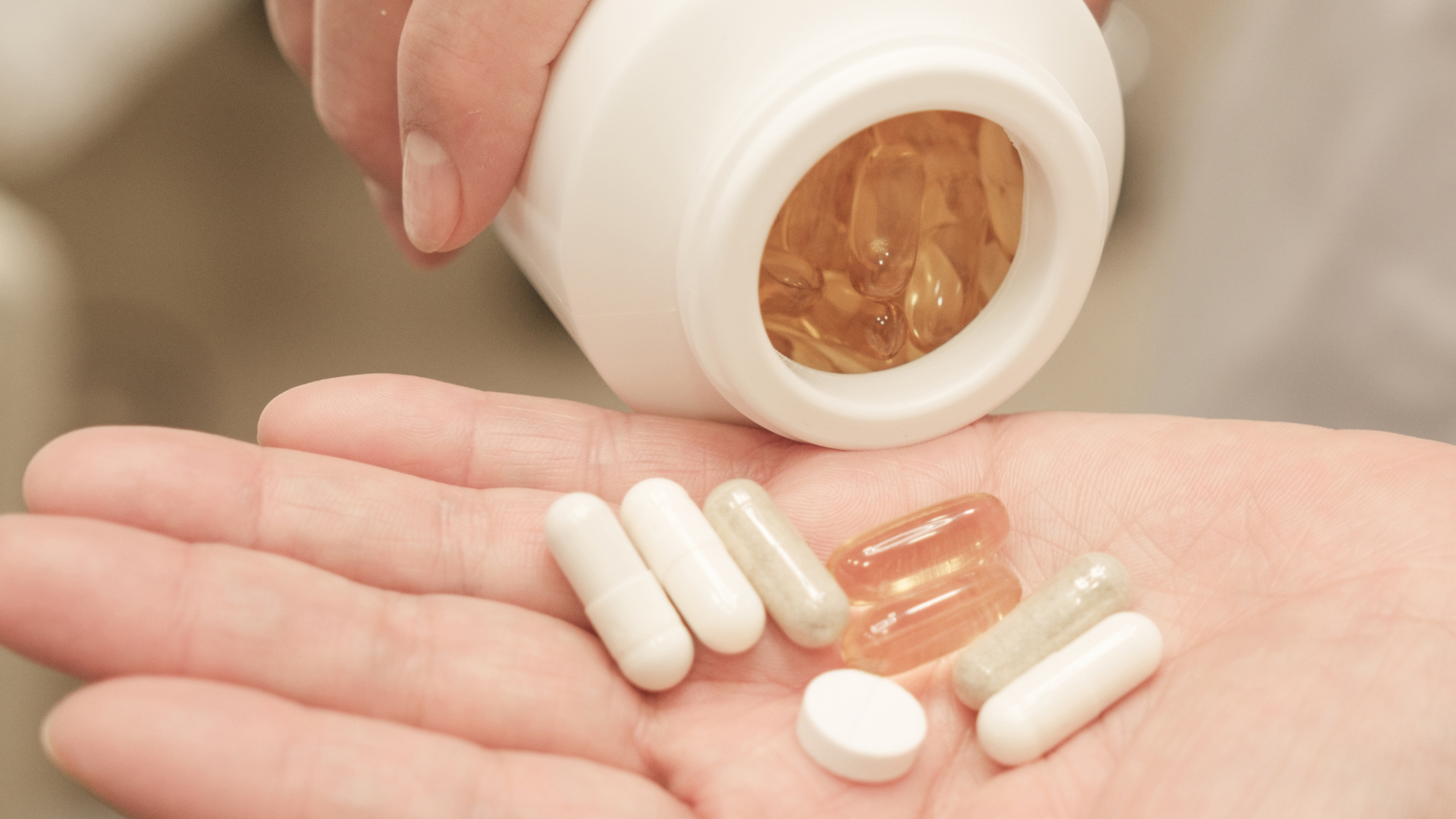
Receiving an endometriosis diagnosis while trying to start a family can feel like the ground has shifted beneath you. The pain, the uncertainty, and the fear that your body is working against you are emotions that hundreds of thousands of women carry quietly every month. You are not alone, and the science of nutritional support is catching up in ways that genuinely offer hope.
Endometriosis affects an estimated 10 percent of women of reproductive age worldwide and is responsible for up to 50 percent of female infertility cases, according to research published in Human Reproduction Update. The condition occurs when endometrial-like tissue grows outside the uterus, triggering chronic inflammation, oxidative stress, and hormonal disruption — all of which interfere directly with ovulation, egg quality, and implantation. Understanding these root mechanisms is essential for choosing supplements that actually target the problem rather than masking symptoms.
In the sections below, you will find an evidence-based guide to the most researched endometriosis and fertility supplements, practical tips for anti-inflammatory nutrition, guidance on hormone-balancing botanicals, and honest answers to the questions women ask most often. Whether you are preparing for natural conception or supporting an IVF cycle, this guide is designed to give you a clear, actionable path forward.
Antioxidants and Endometriosis: Reducing Oxidative Stress to Protect Fertility
Oxidative stress is one of the defining features of endometriosis. Research published in Fertility and Sterility has consistently shown that women with endometriosis have elevated reactive oxygen species in peritoneal fluid, which directly damages oocytes and impairs sperm function. Targeted antioxidant supplementation is therefore one of the most logical first steps in a fertility-focused protocol.
Coenzyme Q10 (CoQ10) is among the most extensively studied antioxidants for female fertility. A 2015 trial in the Journal of Clinical Medicine Research found that CoQ10 supplementation improved mitochondrial function in oocytes and increased fertilisation rates in women with poor ovarian response. For women with endometriosis-related diminished ovarian reserve, CoQ10 at doses of 200–600 mg daily is frequently recommended by reproductive endocrinologists. You can read more about the role of CoQ10 in our guide to the best CoQ10 supplements for fertility.
Vitamin C and E work synergistically. A randomised controlled trial published in Fertility and Sterility (2003) found that women with endometriosis who supplemented with 1,000 mg vitamin C and 1,200 IU vitamin E experienced a significant reduction in peritoneal fluid markers of oxidative stress. N-acetyl cysteine (NAC) has also emerged as a promising compound; a 2013 Italian RCT in Evidence-Based Complementary and Alternative Medicine showed that NAC reduced endometrioma size and pain scores in a group of 92 women, suggesting a direct effect on endometriotic lesions. Learn more about this compound in our detailed article on N-acetyl cysteine for PCOS and fertility.
- Take CoQ10 (ubiquinol form) 200–400 mg daily with a fat-containing meal for optimal absorption
- Pair vitamin C (500–1,000 mg) with vitamin E (400–800 IU) for synergistic antioxidant protection
- Consider NAC 600 mg twice daily, especially if endometriomas are present
- Choose supplements with third-party testing to verify potency and purity
- Consult your reproductive specialist before combining multiple antioxidants during a stimulated IVF cycle
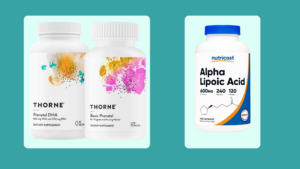
A quality prenatal that already includes antioxidant cofactors can simplify your stack. The Thorne Basic Prenatal with Folate and Choline is a well-formulated option that provides methylated B vitamins alongside foundational micronutrients women with endometriosis commonly need.
Omega-3 Fatty Acids and Anti-Inflammatory Nutrients for Endometriosis
Chronic pelvic inflammation is the hallmark of endometriosis, and omega-3 polyunsaturated fatty acids are among the most well-evidenced natural anti-inflammatory agents available. EPA and DHA, the active long-chain forms found in fish oil, inhibit the prostaglandin E2 and leukotriene B4 pathways that drive endometriosis-associated pain and tissue proliferation.
A large prospective cohort study published in Human Reproduction (2010) found that women with the highest dietary intake of long-chain omega-3 fatty acids had a 22 percent lower risk of endometriosis compared with those in the lowest intake quartile. More recently, a 2020 review in Nutrients concluded that omega-3 supplementation at doses of 1,000–3,000 mg EPA+DHA daily consistently reduced inflammatory cytokines relevant to endometriosis progression.
Magnesium is another anti-inflammatory powerhouse that is chronically low in women with endometriosis. It relaxes uterine smooth muscle, regulates prostaglandin synthesis, and supports progesterone production — three mechanisms directly relevant to both pain and fertility. Research published in Magnesium Research suggests that magnesium glycinate or bisglycinate at 300–400 mg daily is well tolerated and effective. Our article on magnesium for ovulation and cycle health explores this in greater depth.
Vitamin D deserves special mention. A 2018 study in BJOG found that vitamin D deficiency was significantly more prevalent in women with endometriosis and was negatively correlated with disease severity. Vitamin D modulates immune tolerance and has been shown in vitro to inhibit endometrial cell proliferation. Testing your 25-OH vitamin D level and supplementing to achieve a serum level of 50–80 ng/mL is a practical, low-cost intervention.
- Aim for 1,000–2,000 mg EPA+DHA daily from a high-quality fish oil or algae-based supplement
- Take magnesium glycinate 300 mg at night to also support sleep quality
- Get vitamin D levels tested and supplement to therapeutic range (typically 2,000–4,000 IU daily)
- Include turmeric (curcumin) for additional NF-kB pathway inhibition — 500 mg standardised extract twice daily
- Reduce arachidonic acid intake by limiting red meat and refined oils that compete with omega-3 pathways
The Ritual Essential for Women Prenatal Multivitamin includes algae-sourced DHA alongside methylated folate, making it a convenient choice for women with endometriosis who prefer a vegan-friendly foundation supplement.
Hormone-Balancing Supplements for Endometriosis and Conception
Endometriosis is fundamentally an oestrogen-dependent condition. Lesions produce their own oestrogen through local aromatase activity, creating a self-perpetuating cycle of growth and inflammation. Nutritional strategies that support healthy oestrogen metabolism are therefore central to any endometriosis fertility protocol.
Diindolylmethane (DIM) is a compound derived from cruciferous vegetables that promotes the conversion of potent 16-alpha-hydroxyoestrone to the less proliferative 2-hydroxyoestrone metabolite. Several small clinical studies have found that DIM supplementation at 100–200 mg daily can shift oestrogen metabolism in a favourable direction, though large RCTs in endometriosis populations are still needed. Products such as Pure Encapsulations DIM Detox Women’s Hormone Support offer a well-researched, clinically dosed option for women seeking to modulate oestrogen pathways.
Vitex agnus-castus (chasteberry) has been used for decades to support luteal phase function and raise progesterone levels relative to oestrogen. A systematic review published in Phytomedicine confirmed that Vitex significantly reduced PMS symptoms and supported luteal phase adequacy in women with cycle irregularities. Since luteal phase defect is common in endometriosis, Vitex may improve implantation outcomes. Our article on Vitex for hormone balance and conception provides a comprehensive review.
Inositol, particularly the myo-inositol and D-chiro-inositol combination in a 40:1 ratio, supports insulin sensitivity and ovarian function. While most inositol research has focused on PCOS, endometriosis frequently co-exists with insulin resistance, and several researchers have proposed that inositol supplementation may reduce inflammation and improve oocyte quality in both conditions. Methylated folate (5-MTHF) rather than synthetic folic acid is also critical for women with the MTHFR polymorphism — a genetic variant more common in endometriosis populations — as it ensures adequate folate metabolism for cell division and DNA repair during early pregnancy.
Building a Complete Endometriosis Fertility Supplement Protocol
Building an effective supplement protocol for endometriosis and fertility requires a strategic, layered approach rather than taking individual nutrients in isolation. The goal is to address oxidative stress, reduce systemic inflammation, support healthy oestrogen metabolism, and optimise the uterine environment for implantation — all simultaneously, and ideally for at least three to six months before attempting conception.
Start with a high-quality prenatal multivitamin containing methylated folate (at least 400–800 mcg of 5-MTHF), methylcobalamin (B12), zinc, selenium, and iodine. These micronutrients form the non-negotiable foundation. Zinc and selenium are particularly important in endometriosis because research has identified deficiencies of both in women with the condition, and both play roles in antioxidant enzyme function and thyroid health — which is closely linked to reproductive outcomes. Our article on selenium and thyroid health for conception explains this connection in detail.
Layer in a dedicated omega-3 supplement providing at least 1,000 mg EPA+DHA, CoQ10 in ubiquinol form, and either DIM or a comprehensive hormone balance formula if oestrogen dominance signs are present. The Wholesome Story Myo Inositol and D-Chiro Inositol for Hormone Balance is a well-regarded option for women who also need to address insulin sensitivity alongside their endometriosis protocol.
Timing matters. Most reproductive specialists recommend beginning a preconception supplement protocol at least three months before trying to conceive, as this aligns with the 90-day maturation period of oocytes. Documenting your supplement stack with your gynaecologist or reproductive endocrinologist ensures safety, avoids interactions with any hormonal medications, and allows dosages to be personalised to your specific lab values. Consistency, not quantity, is the key to meaningful results. Our broader guide to the best fertility supplements for women provides additional context for structuring your routine.
Frequently Asked Questions
Can supplements cure endometriosis?
No supplement can cure endometriosis, but several have strong evidence for reducing inflammation, oxidative stress, and hormonal imbalance that interfere with fertility. Supplements work best as adjuncts to medical treatment, not replacements for surgical or hormonal therapies recommended by your specialist.
How long should I take fertility supplements before trying to conceive with endometriosis?
Most reproductive medicine guidelines recommend a minimum of three months of preconception supplementation. This aligns with the 90-day follicular maturation cycle, giving nutrients time to measurably improve egg quality and the uterine environment before conception is attempted.
Is DIM safe to take alongside hormonal endometriosis treatments?
DIM is generally well tolerated, but it actively modulates oestrogen metabolism and could theoretically interact with hormone therapies like progestins or GnRH analogues. Always disclose all supplements to your prescribing physician before combining them with medical treatments for endometriosis.
Does omega-3 supplementation help with endometriosis pain as well as fertility?
Yes. Multiple clinical trials show that omega-3 fatty acids reduce prostaglandin-driven dysmenorrhoea and pelvic pain in endometriosis. Pain reduction is an important secondary benefit alongside the anti-inflammatory effects on the peritoneal environment that directly support fertility.
Should I choose methylated folate over folic acid if I have endometriosis?
Methylated folate (5-MTHF) is strongly preferred for women with endometriosis because MTHFR gene variants are more prevalent in this population. Synthetic folic acid requires enzymatic conversion that may be impaired, making methylfolate the more reliable choice to support cell division and prevent neural tube defects.
A Word From Vitamins For Woman
Living with endometriosis while trying to conceive is one of the most emotionally and physically demanding journeys a woman can face, and we want you to know that evidence-based nutritional support genuinely exists. The endometriosis and fertility supplements covered in this article are not quick fixes, but consistent, well-chosen micronutrients can meaningfully shift the inflammatory and hormonal environment that endometriosis creates. Always build your protocol in partnership with a qualified reproductive specialist who knows your full medical history, and remember that small, sustained steps compound into significant change over time.
References
- Missmer S.A. et al. (2010). Dietary fat intake and endometriosis risk. Human Reproduction, 25(6), 1528–1535. https://pubmed.ncbi.nlm.nih.gov/20332498/
- Anastasi E. et al. (2013). Use of N-acetyl cysteine in patients with endometriomas. Evidence-Based Complementary and Alternative Medicine. https://pubmed.ncbi.nlm.nih.gov/24371476/
- Somigliana E. et al. (2018). Vitamin D and endometriosis: a sunlight hypothesis. BJOG: An International Journal of Obstetrics and Gynaecology. https://pubmed.ncbi.nlm.nih.gov/29645320/
- Mier-Cabrera J. et al. (2009). Effect of vitamins C and E supplementation on peripheral oxidative stress markers and pregnancy rate in women with endometriosis. Fertility and Sterility, 91(2), 348–359. https://pubmed.ncbi.nlm.nih.gov/18353342/
- Parazzini F. et al. (2013). Diet and endometriosis risk: a literature review. Reproductive BioMedicine Online, 26(4), 323–336. https://pubmed.ncbi.nlm.nih.gov/23419794/