
Understanding the link between probiotics and vaginal health for conception could be the missing piece in your fertility journey. A balanced vaginal microbiome supports sperm survival, implantation, and a healthy early pregnancy environment — making gut and vaginal flora far more important than most women realize.
If you have been doing everything right — tracking ovulation, taking prenatal vitamins, managing stress — but conception still feels out of reach, your vaginal microbiome may be part of the story. Recurrent bacterial vaginosis, yeast overgrowth, elevated vaginal pH, or low Lactobacillus populations can silently interfere with fertilization and early implantation. These are not fringe concerns; they are increasingly recognized in reproductive medicine as meaningful barriers to conception.
The root causes of vaginal dysbiosis are varied. Antibiotic use, hormonal fluctuations, high sugar diets, chronic stress, and even certain lubricants can disrupt the delicate microbial balance that protects the reproductive tract. Elevated pH and reduced Lactobacillus crispatus dominance have been specifically linked in clinical studies to lower IVF success rates and increased early pregnancy loss.
In this article, you will learn what the science says about the vaginal microbiome and fertility, which probiotic strains are most relevant for conception, how to support your microbiome through diet and lifestyle, and how to pair these strategies with a well-rounded preconception supplement routine. We have also included a practical FAQ and evidence-based references throughout.
How the Vaginal Microbiome Affects Fertility
The vaginal microbiome is a highly specialized ecosystem dominated — in reproductive-age women with optimal fertility — by Lactobacillus species, particularly Lactobacillus crispatus. These bacteria produce lactic acid, which keeps vaginal pH below 4.5, creating an environment that is inhospitable to pathogens yet supportive of sperm function and embryo development.
Research published in Human Reproduction found that women undergoing IVF with a Lactobacillus-dominant vaginal microbiome had significantly higher rates of clinical pregnancy and live birth compared to women with non-Lactobacillus-dominant profiles. A disrupted microbiome — characterized by overgrowth of Gardnerella vaginalis, Prevotella, or other anaerobes — is associated with increased inflammation, cervical mucus changes, and compromised sperm motility in the cervical canal.
The connection does not stop at fertilization. The uterine microbiome, once thought to be sterile, is now known to harbor bacteria that influence endometrial receptivity. Women with uterine dysbiosis show altered expression of implantation-related genes, suggesting that the microbial environment extends its influence all the way through the implantation window. For women exploring supplements that help with implantation, addressing the microbiome is a complementary and increasingly evidence-supported strategy.
Inflammation driven by microbial imbalance also affects egg quality. Oxidative stress produced by pathogenic bacteria can impair mitochondrial function in oocytes, particularly relevant for women over 35. If you are working on improving egg quality after 35, supporting vaginal and gut microbiome health is a meaningful adjunct to antioxidant and CoQ10 protocols.
- Maintain vaginal pH below 4.5 by supporting Lactobacillus dominance through targeted probiotics and a low-sugar diet.
- Avoid scented feminine products, douching, and harsh soaps that disrupt the vaginal epithelium and microbial balance.
- Choose fertility-friendly lubricants — most commercial lubricants are spermicidal or elevate pH; opt for isotonic, pH-balanced alternatives.
- Treat BV promptly and thoroughly, as untreated bacterial vaginosis is independently associated with subfertility and early pregnancy loss.
- Ask your doctor about vaginal microbiome testing if you have experienced recurrent implantation failure or unexplained infertility.
The Best Probiotic Strains for Vaginal Health and Conception
Not all probiotics are created equal, and when it comes to vaginal health and fertility, strain specificity matters enormously. The most extensively studied strains for vaginal microbiome support are Lactobacillus rhamnosus GR-1 and Lactobacillus reuteri RC-14, a combination that has been shown in multiple randomized controlled trials to colonize the vagina when taken orally and to restore Lactobacillus dominance in women with dysbiosis.
Lactobacillus crispatus is considered the gold standard vaginal strain because it produces both lactic acid and hydrogen peroxide, offering dual antimicrobial protection. Several newer probiotic formulations designed for women’s reproductive health now include this strain alongside L. rhamnosus for broader coverage. Lactobacillus acidophilus is also commonly included and has a well-established safety profile during the preconception period and pregnancy.
A 2022 review published in Nutrients confirmed that oral probiotic supplementation with vaginal-tropic Lactobacillus strains can meaningfully shift vaginal microbiome composition within four to eight weeks of consistent use. This timeline is practically significant: if you are planning to conceive in the next one to three months, starting a targeted probiotic now gives your microbiome time to respond before your conception window. Women exploring a structured preconception preparation plan will benefit from incorporating probiotic support early in that window.
Prebiotic fibers — such as inulin, fructooligosaccharides (FOS), and lactulose — feed beneficial bacteria and amplify the effect of probiotic supplementation. A synbiotic approach (combining probiotics and prebiotics) has shown superior results compared to probiotics alone in some gut microbiome studies, and this principle likely extends to vaginal health as well. The gut-vaginal axis is real: bacteria from the gut can translocate to the vaginal tract, so a healthy gut microbiome indirectly supports vaginal flora.
- Prioritize L. rhamnosus GR-1 and L. reuteri RC-14 — this combination has the strongest clinical evidence for vaginal colonization via oral supplementation.
- Look for CFU counts of 10–50 billion — higher is not always better; strain identity and survivability matter more than raw CFU numbers.
- Choose refrigerated or microencapsulated formulas to maximize live bacteria delivery to the lower GI and vaginal tract.
- Take probiotics consistently for at least 4–8 weeks before expecting measurable changes in vaginal microbiome composition.
- Pair with a prebiotic supplement or fiber-rich diet to support bacterial colonization and long-term microbial resilience.
Diet, Lifestyle, and the Microbiome-Fertility Connection
Your daily dietary choices have a direct and measurable impact on both gut and vaginal microbiome composition. A diet high in refined carbohydrates, added sugars, and ultra-processed foods promotes the growth of pro-inflammatory bacteria while depleting beneficial Lactobacillus populations. Conversely, a Mediterranean-style diet — rich in fiber, fermented foods, polyphenols, and omega-3 fatty acids — consistently correlates with greater microbial diversity and reduced systemic inflammation, both of which support reproductive health.
Fermented foods such as plain yogurt with live cultures, kefir, sauerkraut, kimchi, and miso provide natural dietary sources of Lactobacillus and other beneficial microorganisms. These foods also contain postbiotics — bacterial metabolites including short-chain fatty acids and bacteriocins — that modulate immune function and reduce vaginal inflammation. Women trying to conceive are encouraged to incorporate at least one to two servings of fermented food daily alongside a targeted probiotic supplement for layered microbiome support.
Chronic stress is a significant but underappreciated driver of microbiome dysbiosis. Elevated cortisol alters gut permeability, reduces secretory IgA (a key immune defense in mucosal tissues including the vagina), and shifts microbial populations toward pro-inflammatory species. Managing stress through sleep hygiene, gentle exercise, mindfulness, and adaptogenic herbs for hormone balance is not just good for your mental health — it actively protects your microbiome.
Alcohol consumption, even in moderate amounts, has been associated with reduced Lactobacillus abundance and increased intestinal permeability. Eliminating or significantly reducing alcohol during the preconception period supports both microbiome health and egg quality. Similarly, minimizing unnecessary antibiotic use — or following antibiotic courses with a robust probiotic protocol — helps prevent the lasting dysbiosis that often follows antibiotic treatment and can persist for months if left unaddressed.
Building a Complete Preconception Supplement Protocol
Probiotics are a powerful addition to a preconception supplement routine, but they work best as part of a comprehensive nutritional strategy. Folate (in its active methylated form, methylfolate) remains the most critical preconception nutrient for neural tube development, but the microbiome also plays a role in how well dietary and supplemental folate is absorbed and utilized. Women with MTHFR gene variants or gut dysbiosis may have impaired folate metabolism, making both the right supplement form and microbiome health simultaneously important. Our guide on folate vs. folic acid when trying to conceive explains this distinction in depth.
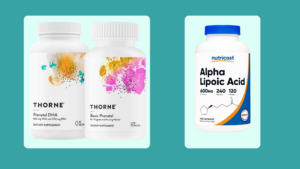
A high-quality prenatal multivitamin provides the foundational micronutrient support needed before and during pregnancy. Options like Thorne Basic Prenatal with Folate and Choline or Ritual Essential for Women Prenatal Multivitamin offer methylated B vitamins and clean ingredient profiles that pair well with a probiotic protocol. Starting a prenatal vitamin three to six months before conception gives your body time to build adequate nutrient stores.
For women with hormonal imbalances — including PCOS, irregular cycles, or luteal phase defects — addressing the hormonal environment alongside the microbiome is essential. Products like Wholesome Story Myo Inositol and D-Chiro Inositol for Hormone Balance or Eu Conception for Her can complement microbiome support strategies, particularly in women with insulin resistance, which is known to promote vaginal dysbiosis.
Iron, zinc, vitamin D, and magnesium all play supporting roles in immune regulation and microbial balance. Vitamin D deficiency, which is extremely common in women of reproductive age, is associated with increased susceptibility to BV and reduced vaginal Lactobacillus colonization. Ensuring adequate vitamin D status — ideally with serum 25(OH)D above 40 ng/mL — should be part of any comprehensive preconception microbiome strategy. Work with your healthcare provider to test and supplement accordingly, and consider a preconception supplement review using resources like our guide to the best fertility supplements for women.
Frequently Asked Questions
Can taking a probiotic actually improve my chances of getting pregnant?
Emerging research suggests yes, indirectly. By restoring a Lactobacillus-dominant vaginal environment, probiotics may improve cervical mucus quality, sperm survival, and endometrial receptivity. They are not a fertility treatment but a meaningful supportive strategy, particularly for women with a history of BV or unexplained implantation failure.
How long should I take probiotics before trying to conceive?
Most studies show measurable changes in vaginal microbiome composition within four to eight weeks of consistent oral probiotic use. Starting at least two to three months before your planned conception window gives your microbiome adequate time to shift toward a more Lactobacillus-dominant profile and stabilize before ovulation attempts.
Are probiotics safe to continue during pregnancy?
Yes, oral probiotic supplementation with well-studied strains like L. rhamnosus and L. acidophilus is considered safe throughout pregnancy. Multiple systematic reviews have found no increased risk of adverse pregnancy outcomes, and some evidence suggests benefits for reducing gestational diabetes risk and preterm birth rates in high-risk populations.
What vaginal pH level is optimal for conception?
A vaginal pH below 4.5 — maintained by Lactobacillus-produced lactic acid — is considered optimal for sperm survival and fertility. At higher pH levels (above 4.5–5.0), sperm motility declines and pathogenic bacteria thrive. At-home vaginal pH test strips can help you monitor your baseline before and during your preconception preparation.
Does diet alone support a healthy vaginal microbiome, or is supplementation necessary?
Diet is foundational but often insufficient on its own, especially if dysbiosis is already established. Fermented foods help maintain balance, but targeted probiotic supplementation with clinically validated vaginal strains provides a more direct and measurable intervention. Combining both approaches — dietary and supplemental — yields the best long-term results for reproductive microbiome health.
A Word From Vitamins For Woman
The connection between probiotics and vaginal health for conception is one of the most exciting and rapidly evolving areas in reproductive nutrition, and the evidence firmly supports making microbiome care part of your preconception plan. Every woman’s fertility journey is unique, and addressing the vaginal microbiome alongside key nutrients, hormonal balance, and lifestyle habits gives your body the most complete foundation for conception. We encourage you to work with a healthcare provider to personalize your protocol, and to explore our evidence-based resources as you prepare for this important chapter of your life.
References
- Kyrgiou M et al. (2018). Vaginal microbiota and reproductive outcomes: a systematic review and meta-analysis. Human Reproduction Update. https://pubmed.ncbi.nlm.nih.gov/29136475/
- Younes JA et al. (2018). Women and their vaginal microbiome: Translational aspects of lactobacilli. Frontiers in Cellular and Infection Microbiology. https://pubmed.ncbi.nlm.nih.gov/29619357/
- Vitali B et al. (2022). Oral probiotics and vaginal microbiome modulation in women of reproductive age: A narrative review. Nutrients. https://pubmed.ncbi.nlm.nih.gov/35631189/
- Moreno I et al. (2016). Evidence that the endometrial microbiota has an effect on implantation success or failure. American Journal of Obstetrics and Gynecology. https://pubmed.ncbi.nlm.nih.gov/26829240/
- Petrova MI et al. (2015). Lactobacillus species as biomarkers and agents that can promote various aspects of vaginal health. Frontiers in Physiology. https://pubmed.ncbi.nlm.nih.gov/25821437/